
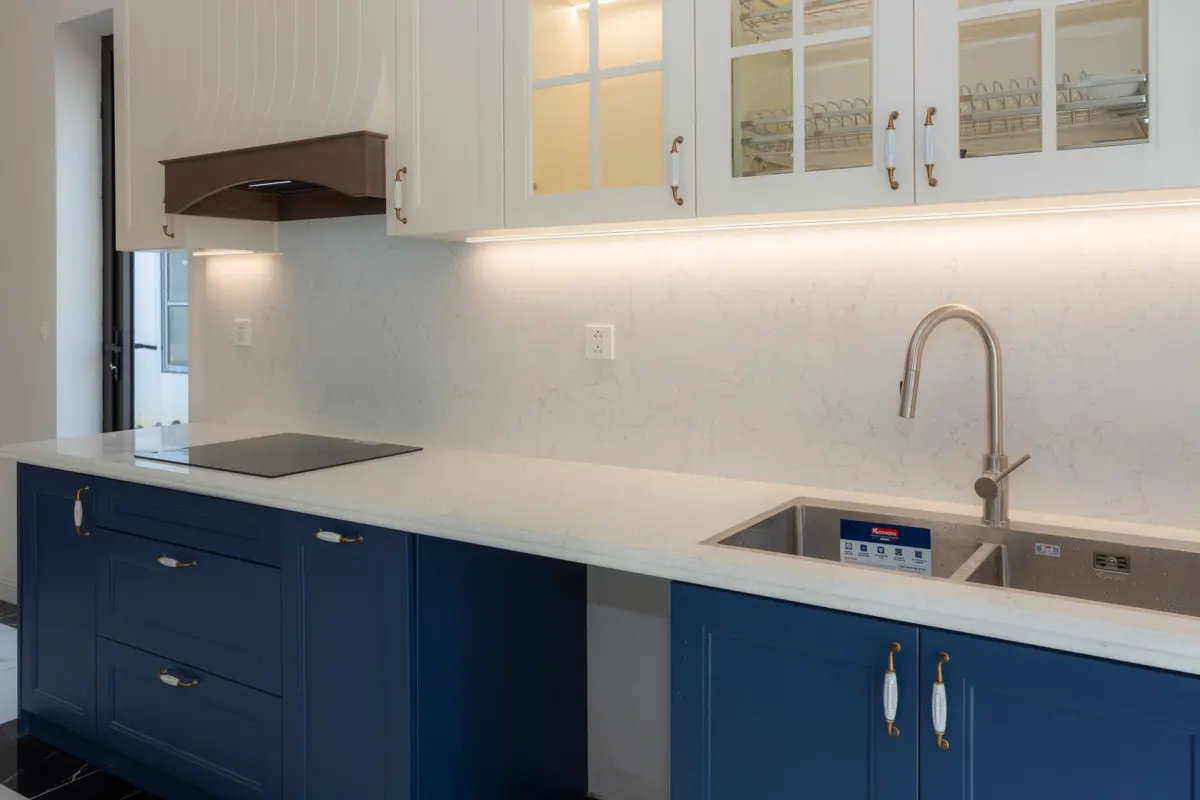
| Project | Typical cost and return | Visual result | Planning use |
|---|---|---|---|
| Minor kitchen remodel | About $27,500; about 96% recovered at resale | A kitchen that reads as updated overall | The strongest payback among the larger interior jobs. Keep the scope modest if a sale is near. |
| Garage door replacement | Around $4,500; about 194% recovered | A new street-facing face for the house | A small spend with a large reported return. Installation takes a handy homeowner about nine hours and a professional about five hours. |
| Mid-range bathroom remodel | About $25,000; roughly 74% recovered | Fresh fixtures and finishes in a dated bathroom | Worth doing when the room looks tired, but it returns less of the spend than a minor kitchen remodel. |
| Curb appeal enhancement | Can increase home value by up to 7% | A cleaner first impression from the street | Start outside if the exterior is what buyers or guests meet first. |
| Paint, refinished floors, updated lighting, new front door | Named among the highest-ROI minor cosmetic projects | Fresh surfaces and better light in every room | The cheapest route to a home that looks newly cared for. |
Cost and return figures come from a published guide to improvements that increase home value, and the garage door installation times come from a bank’s guide to high-impact home improvement projects.
The home improvement projects that add value most reliably are visible, finish-level upgrades such as paint, lighting, floors and cabinet color, matched to local home prices. Large remodels can pay back well when the budget fits the neighborhood.
Work from what people see first toward what they use most. If you are weighing a full renovation, compare how much does a kitchen remodel cost with how much does a bathroom remodel cost, and price a single room with how much does it cost to paint a room before committing to anything larger.
Which improvements add the most value
Exterior projects lead the published return figures, and a minor kitchen remodel is the strongest interior project among the larger jobs. Cosmetic updates inside the house cost far less and still appear among the highest-return upgrades, so the right starting point depends on what looks dated from the street and what looks dated at the door.
Curb appeal and exterior
The Cost vs. Value figures reported by Great Day Improvements put the return on a garage door at 193.9%, a steel entry door at 188.1%, stone veneer at 153.2% and a fiberglass entryway at 87.4%. A deck returns 68.2% to 82.9%, depending on the material. A return above the amount spent means the project is reported to recover more than it cost, which is why doors sit at the top of the list while a deck sits lower.
Siding recovers a large share of its cost but ties up far more cash. A 2025 Cost vs. Value Report cited by HomeLight gives an average of $17,950 for vinyl siding replacement on 1,250 sq ft, with about 97% recovered at resale. Fiber-cement siding costs around $20,600 and returns about 88%, according to the same resale-return guide used in the table above. Overall, enhancing curb appeal can lift value by as much as 7% in that guide’s estimate.
The practical reading is simple. A front door or garage door suits a modest budget and changes the first impression immediately. Siding makes sense when the existing cladding is visibly worn, because worn siding drags down the whole facade and no amount of landscaping hides it. These percentages are averages, so check them against nearby sales before you commit, as the budgeting section below explains.
Kitchens and bathrooms
Kitchen and bathroom updates typically return 60-90% of what you spend, according to the resale-return guide. The Cost vs. Value data reported by Great Day Improvements shows the minor, midrange kitchen remodel delivering a 96.1% ROI, the high end of that range. The mid-range bathroom remodel sits lower, at roughly 74% of cost recovered, so a dated bathroom is a reason to renovate for your own use more than a financial shortcut.
The bank guide adds a caution worth keeping in view: take care with upgrades if you intend to sell, because some may be too costly to recoup. If a sale is on the horizon, choose the minor scope and spend on surfaces buyers notice. If you are staying, a larger project is a quality-of-life decision, and the return percentage matters less.
A bathroom that does not need a remodel can still look sharper with a clean seal around the tub. How To Caulk A Bathtub: Step-By-Step Guide To A Watertight, Professional-Looking Seal walks through that finishing job.
Paint, trim and wall treatments
Paint is the cheapest project on the high-return list, and its absence costs you. A chipping paint job or old siding produces a lower valuation, according to the bank’s project guide. Fresh paint is therefore as much about avoiding a penalty as about adding appeal.
Walls, trim and doors
Clean wall color matters most when the trim around it is crisp. Cutting in neatly along ceilings and trim is where a painted room looks professional or amateur, so plan the trim and the walls together. how to paint trim covers the finish work on casings and doors, and where baseboards are damaged or missing, how to install baseboards explains replacing them before you repaint.
Doors reward attention too. A door that sticks or squeaks undermines an otherwise fresh room, and How To Fix A Squeaky Door Fast: Simple Steps For Quiet Hinges (2026 Guide) is a quick repair that needs no replacement. If a door is beyond saving, how to replace an interior door shows the full swap.
Ceilings and textured surfaces
A textured ceiling can date an otherwise updated room. If that is what holds the room back, compare the budget in How Much Does It Cost To Remove A Popcorn Ceiling? Real Estimates, Hidden Fees, And 2026 Savings Tips with the method in How To Remove A Popcorn Ceiling Safely: A Step-By-Step Guide For 2026. Decide on the removal before you paint the walls, so the ceiling work does not mark a finished room.
Wainscoting, board and batten, and wallpaper
Applied wall treatments change a room’s architecture rather than just its color. Choose by the effect you want and how permanent you want it to be.
- Paneled walls: Wainscoting Made Simple: A Step-By-Step Guide To Install Trimmed Panels Like A Pro (2026) suits a traditional dining room, hall or bedroom, where trimmed panels give a lower wall a finished look.
- Vertical battens: How To Install Board And Batten: A Step‑By‑Step DIY Guide For Flawless Results (2026) gives a simpler, more graphic pattern that works in entries and bedrooms.
- Traditional wallpaper: How To Hang Wallpaper: A Practical Step‑By‑Step Guide To Flawless Results In 2026 is the choice for a long-term pattern on a prepared wall.
- Peel-and-stick wallpaper: How To Hang Peel-And-Stick Wallpaper: A Simple Step-By-Step Guide For Flawless Results suits a room where you want pattern without a heavy commitment. When the pattern has to come down later, how to remove wallpaper keeps the walls intact.
At the top of the wall, how to install crown molding adds a finished edge where the wall meets the ceiling. Moldings and paneling are visual upgrades that suit buyers who like detail, but they are not among the projects the return surveys single out, so treat them as a design choice more than an investment.
Exterior paint and cleaning
Painting the whole exterior of a home costs an average of $3,177, according to HomeLight, which cites Angi. The same guide puts pressure washing of hardscape surfaces at about $241 to $418. Cleaning is the cheaper first step, and it shows whether the paint underneath still needs replacing. Metal railings often show wear first; How To Paint Metal Railings: A Practical Step-By-Step Guide For Durable, Rust‑Free Results explains how to keep them from rusting through the new coat.
Inside, a painted brick fireplace is one of the most visible single changes in a living room. How To Paint A Brick Fireplace (Step‑By‑Step Guide For A Fresh, Timeless Look) covers the preparation that keeps the finish from failing.
Kitchen finishes: cabinets, backsplash and lighting
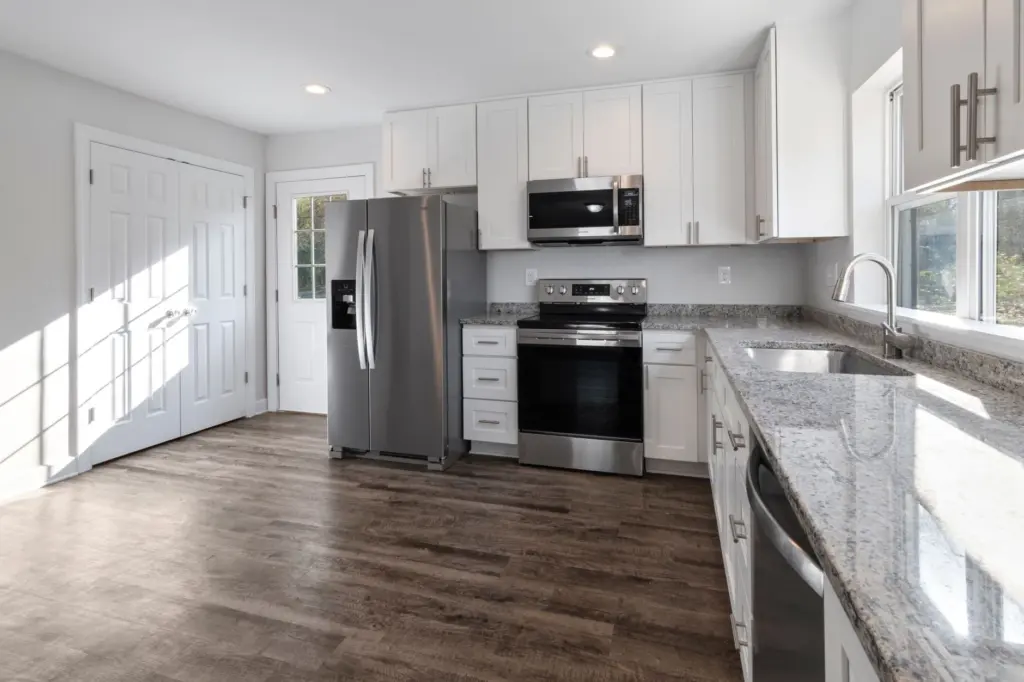
Changing finishes rather than the layout is the lower-risk way to modernize a kitchen. A refresh built on cabinet hardware, better lighting and a fresh coat of paint can outperform a far larger custom remodel in the resale-return guide, and the three finishes below do most of the visual work.
Cabinets
White, gray or navy cabinets are the colors the resale-return guide points to for buyer appeal. If your cabinet boxes are sound, painting them delivers the new color without replacing anything. Start with the budget in How Much Does It Cost To Paint Kitchen Cabinets? Real Estimates & Budget Planner (2026), then follow How To Paint Kitchen Cabinets Without Sanding: A Simple 2026 Guide To Smooth, Long-Lasting Results if you want to limit the prep work.
Replacement is the right call when the doors are damaged or the layout does not work. In that case, how to install kitchen cabinets explains the installation, and it belongs in the same decision as a countertop and flooring change, since all three set the look of the room together.
Backsplash
A backsplash gives a kitchen its focal wall, and the choice depends on how long you will stay. The resale-return guide says to save a custom tile backsplash or imported fixtures for a home you plan to stay in for years. If you may sell sooner, a simpler product gives the same visual lift at lower risk. Peel-And-Stick Backsplash: A Step-By-Step Install Guide To Get It Right Fast (2026) suits that case, because the adhesive backing means no tile setting.
Lighting fixtures
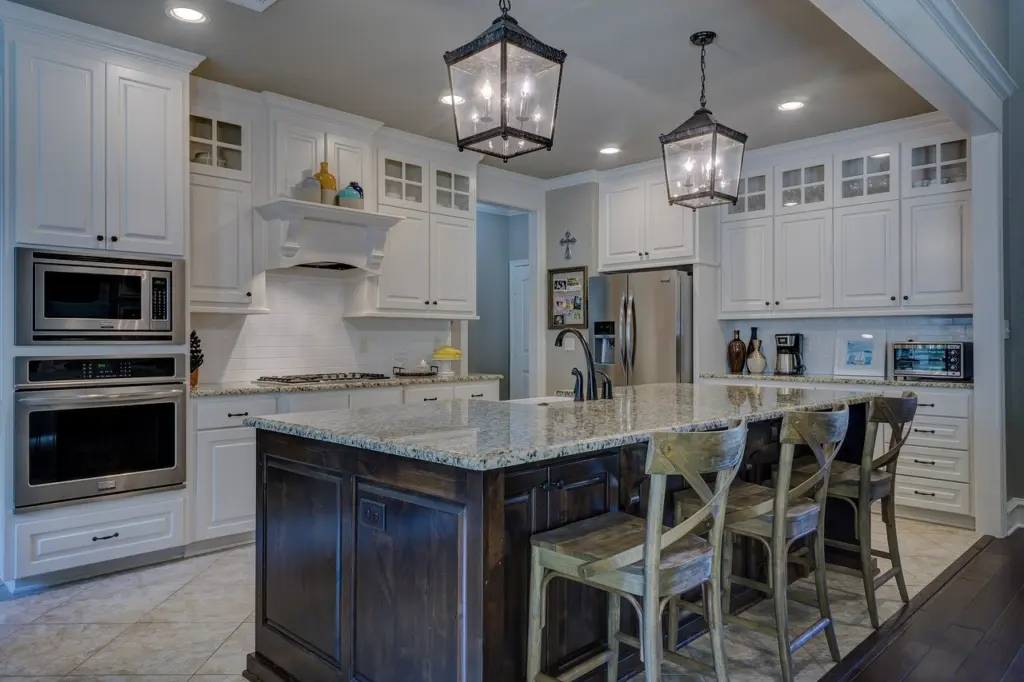
Updated lighting is on the guide’s list of minor cosmetic projects that rank among the highest-ROI upgrades. A pendant over an island or a new fixture over a table changes how the room feels without touching the layout, and it makes cabinets and counters look better than they did under an old fixture.
Swapping a fixture on an existing box is a different job from adding wiring where none existed. Check local code requirements before any new wiring, and hand the work to a licensed electrician if you are unsure. For a fan that doubles as a ceiling light, how to install a ceiling fan covers the installation.
Flooring: refinish or replace
Refinished floors appear on the guide’s list of low-cost cosmetic projects with strong returns, so refinishing is the first option to consider when the existing boards are hardwood. Replacement makes sense when the existing floor cannot be refinished or does not suit the rest of the room.
If you have hardwood under worn finish, how to refinish hardwood floors explains the process and its cost. If you are laying a new floating surface, how to install laminate flooring shows the plank-by-plank installation. Whichever you choose, the flooring sets the tone for cabinet and wall colors, so settle it before you buy paint.
Built-in storage turns flooring and wall work into a finished room. how to build built-in shelves explains one way to add it, and how to soundproof a room is worth reading if new hard flooring will make a room louder.
Bigger projects and where they stop paying
Larger projects can be worth doing, but they need a clearer reason than a visual refresh does. Each of the following changes how the house works as well as how it looks.
Windows
Heat gain or loss through windows accounts for 25% to 30% of residential heating and cooling energy use, according to a U.S. Department of Energy figure quoted by Great Day Improvements. That makes window replacement a comfort and energy decision first and a visual one second. Price it with how much does window replacement cost before you set a budget.
Basements
Finishing a basement runs $32,000 on average but can cost up to $100,000, according to HomeLight. That range is wide enough that itemized quotes matter more than any average. how much does it cost to finish a basement breaks down what drives the spread, and the project suits households that need the space more than owners hoping for a resale lift.
Walls and layout
Opening a room by removing a wall is the project most likely to go wrong without advice. HomeLight’s experts recommend consulting a contractor or interior designer before swinging a sledgehammer. The consultation costs little compared with a layout that needs correcting later.
DIY or hire: project by project
The question is rarely whether you can do a project but whether the time and the risk make sense. The table pairs each project’s visual result with a cost signal and a suggestion on who should do the work.
| Project | Visual result | Cost signal | DIY or hire |
|---|---|---|---|
| Interior paint and trim | Crisp walls and clean edges | Priced in the dedicated room-painting guide | Suits DIY; patient edging matters more than tools |
| Cabinet repaint | New kitchen color without new cabinets | Priced in the dedicated cabinet-painting guide | Suits DIY if you accept the prep time and have a space to work |
| Peel-and-stick backsplash | A new focal wall behind the counter | Priced by the product chosen | Suits DIY because nothing is set in mortar |
| Whole-exterior repaint | A refreshed facade | Average of $3,177 for the whole exterior | Weigh the size of the house and the heights involved |
| Garage door | A new street-facing face | $500 to $800 plus labor for a mid-priced door | About nine hours for a handy homeowner against about five hours for a professional |
| Vinyl siding replacement | A uniform, updated exterior | $17,950 average for 1,250 sq ft | Scope and cost point toward contractor quotes |
| Basement finishing | New usable living space | $32,000 on average, up to $100,000 | Hire, with itemized quotes |
| Wall removal | An open layout | Varies with the structure | Consult a contractor or interior designer before starting |
Figures come from the bank’s project guide for the garage door and from HomeLight for the exterior, siding, basement and structural entries.
- Do it yourself when the work is reversible: paint, adhesive-backed products and hardware can be redone at the cost of your time. The risk is a poor finish, not a structural problem.
- Hire when a mistake is expensive or hidden: structural changes and wiring fall here, because errors can sit behind finished surfaces.
- Use the installation time as a decision aid: a garage door takes a handy homeowner about nine hours, so the choice is whether to spend a weekend day or pay for a faster professional install.
Budgeting against your market
The most important rule is that the spend should fit the neighborhood. The resale-return guide advises matching your improvement budget to local comps rather than national averages. Its example is a $40,000 kitchen in a $300,000 neighborhood, which will not recover its cost, while a $20,000 kitchen probably will.
National return percentages are therefore a ranking tool, not a promise. Use them to decide which projects deserve attention, then check recent nearby sales to see what buyers in your area pay for a finished kitchen or a new exterior. If your home already sits at the top of local prices, a larger project is easier to justify. If it sits near the bottom, finishes will do more for you than a custom remodel.
Frequently asked questions
How much does a room refresh cost?
A kitchen refresh with new cabinet hardware, better lighting and a fresh coat of paint is cited at around $5,000, against $50,000 for a custom remodel, in the resale-return guide. Budget for price movement too: HomeLight notes annual inflation of 3.7% as of September 2026.
Do energy-efficient upgrades pay back at resale?
They typically recover 50% to 70% of cost at resale, according to the same guide. A heat pump conversion is the exception it cites, at about $18,800 with a return that can exceed 100% of the investment.
Do pools, sunrooms and luxury suites add value?
They typically recover well under half of installation cost when you sell, per the resale-return guide. Build them for your own use, not for resale.
Why do garage door return figures differ between sources?
The resale-return guide reports about 194% on around $4,500, HomeLight reports 268% on an average of $4,672, and Great Day Improvements reports 193.9%. Each source states a different average cost and return, so treat the range as an indication of a strong payback rather than a guarantee.