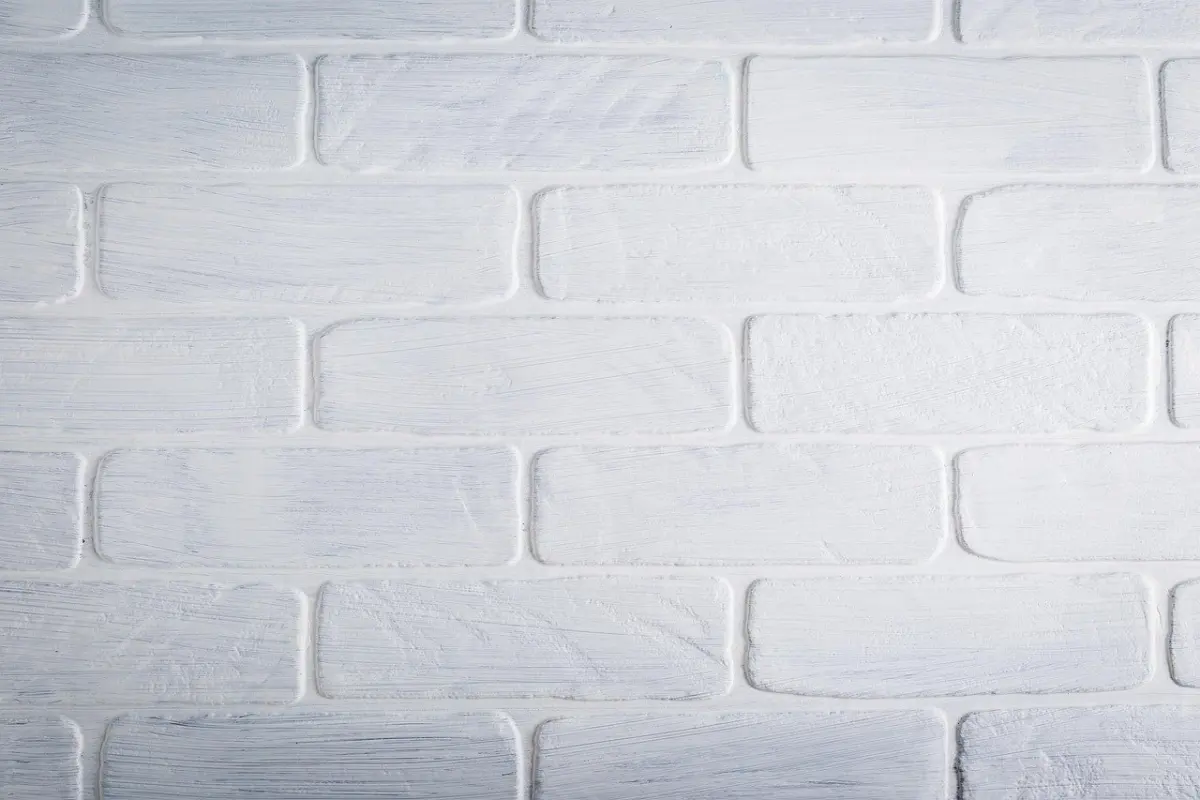
How to paint a brick fireplace comes down to cleaning off soot, sealing the porous brick with primer and rolling on acrylic latex paint, once local rules allow it.
The job is design-led as much as technical, so this guide covers color and sheen alongside prep. For other home improvement projects that add value, the hub collects related guides, and more Home Improvement guides sit in the category archive.
Why brick needs more than a coat of paint
Brick and mortar are porous, so they absorb paint unevenly and can leave a patchy finish, according to This Old House. That single property explains most of the method. Primer seals the surface and gives the paint a uniform base. Rough, recessed mortar joints need a tool that can reach them. Soot and oils sit on the surface and can interfere with adhesion, so cleaning comes first.
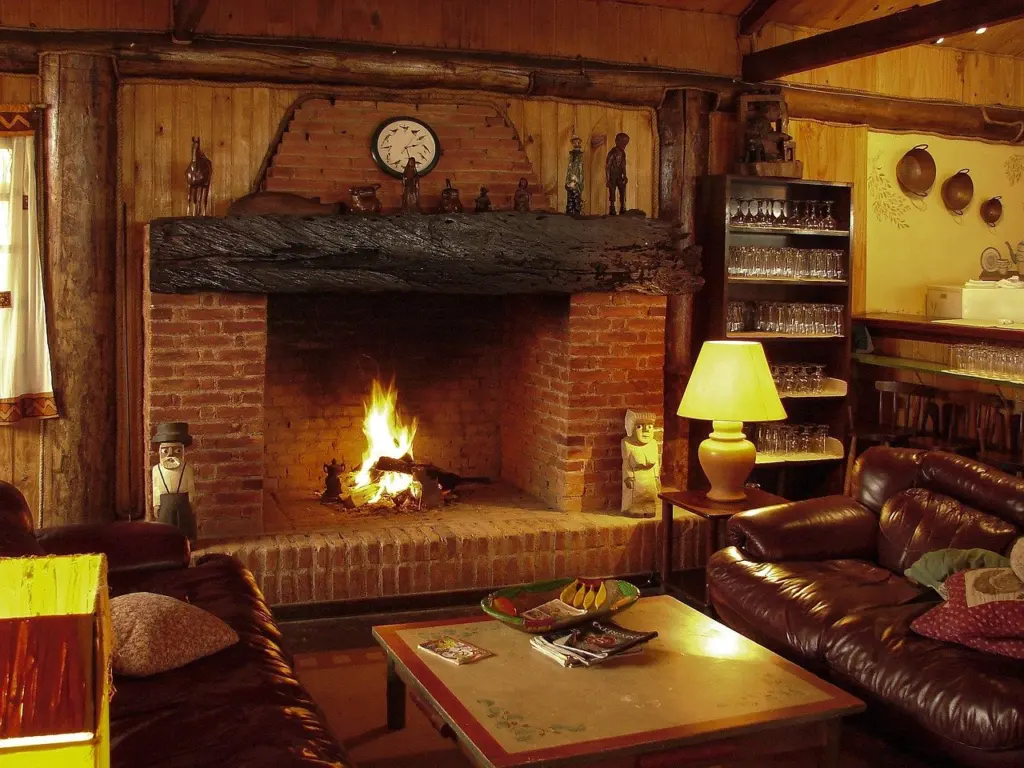
Painting also changes how the fireplace behaves day to day. The same source notes that painted brick is easier to clean, because the smooth surface does not trap dust and soot as readily as bare brick. The trade-off is that painted brick is hard to return to its natural look, so decide with that in mind.
Can you paint a brick fireplace?
Yes, in most cases, with one condition: check local rules first. Country Chic Paint warns that some areas may not allow brick or stone fireplaces to be painted, and it advises contacting the municipality before you start. Rental properties and shared buildings are worth checking for the same reason.
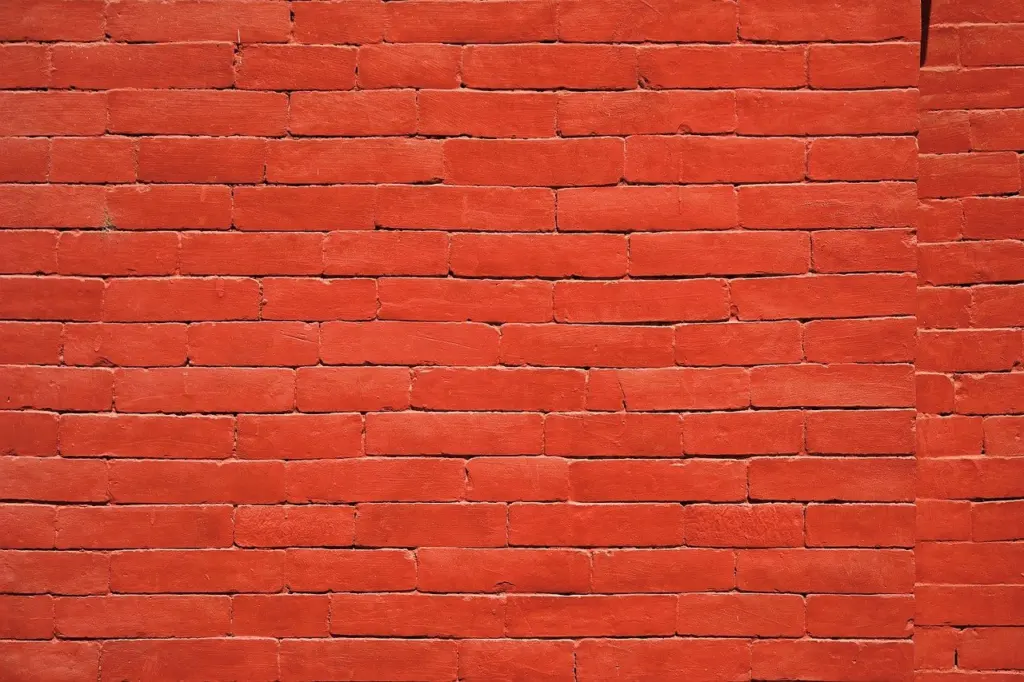
Painting suits dated or dull brick that you want to brighten. If your brick is in good original condition and you value its natural character, leave it alone, because paint is difficult to undo. Crumbling mortar should be repaired before any paint goes on, since paint cannot hold a failing surface together.
Prepping soot-stained brick
Soot-stained brick needs dry brushing, a wash and a rinse before primer. Skipping any of these is the most common reason paint fails to look even.
Protect yourself first
Fireplace soot easily irritates airways and skin during cleaning, so The American House advises nitrile gloves, safety glasses and an N95 dust mask. Lay drop cloths over the hearth and floor before you start, and mask the mantel and surrounding walls with painter’s tape.
Brush, vacuum and wash
- Wipe off loose debris. Use a moist, not sopping wet, rag to remove cobwebs and surface soot, as Young House Love suggests.
- Scrub with a wire brush. Work across the brick face and mortar joints to loosen dirt and soot, then vacuum all the debris, per This Old House.
- Wash the surface. For heavier soot and oils, mix a trisodium phosphate (TSP) solution according to the manufacturer’s instructions, scrub, rinse and let the brick dry completely. For lighter dirt, Country Chic Paint recommends a mild detergent or a mix of vinegar and water, followed by a rinse with plain water so no residue is left under the paint.
Sand glossy areas and choose a primer
If the brick already has paint or a glossy finish, Country Chic Paint advises lightly sanding it to create a more porous base, then wiping away the dust. The same guide lists a clear bonding primer as not always required: use it when adhesion is a concern on painted or glossy brick, and allow 1-2 hours of drying before painting.
For heavily soot-stained brick, Young House Love recommends an oil-based primer so the stains do not bleed through the topcoat. Apply primer with a roller, then work it into the crevices with a brush, as This Old House describes.
Choosing paint and supplies
Acrylic latex is the usual choice for the brick itself. This Old House calls masonry-formulated acrylic latex generally the best option for brick fireplaces, noting that it lets the brick breathe. The table compares the products that come up for a fireplace project.
| Product | Where it fits | Planning use |
|---|---|---|
| Masonry-formulated acrylic latex | The brick face and mortar | Default topcoat for the surround; lets the brick breathe |
| Flat or semi-gloss latex | Brick with a textured-surface roller | A blog project used two to three coats; pick sheen for the look you want |
| Oil-based primer | Especially soot-stained brick | Use under the topcoat to block stains from bleeding through |
| Heat-resistant spray paint | Metal fireplace doors on wood-burning fireplaces | Remove glass-framed doors and spray outdoors |
Figures and advice here come from This Old House and Young House Love.
Supply list
- Cleaning kit: wire brush, vacuum, rags, TSP or mild detergent, plain water for rinsing.
- Protection: nitrile gloves, safety glasses, N95 mask, drop cloths and painter’s tape.
- Primers: masonry primer, plus oil-based primer for heavy soot or a clear bonding primer for glossy brick.
- Paint: acrylic latex for the brick; heat-resistant spray paint only if you are refinishing metal doors.
- Applicators: a textured-surface roller and brushes. Country Chic Paint says a bristle brush suits rough, uneven brick with many nooks, while a sponge suits smoother surfaces.
Prices vary by brand, brick area and how much primer your brick needs, so price the primer separately from the topcoat. If you are budgeting a wider paint refresh, How Much Does It Cost To Paint Kitchen Cabinets? Real Estimates & Budget Planner (2026) shows how another painting project is priced.
Paint near the firebox and mantel
Heat is the one place to slow down. On metal doors, Young House Love’s reply recommends removing glass-framed doors and spraying them outdoors with heat-resistant spray paint made for the job when you burn wood. For the brick around the opening, use the masonry acrylic latex above, and read the paint label for any heat limits before painting close to the opening. If you are unsure, ask the fireplace or paint manufacturer.
Painting stages
Once the brick is clean, dry and primed, painting is a matter of working methodically and not rushing the drying.
- Test a small patch. Try the primer and paint on a hidden corner and judge it in the room’s own light.
- Prime. Roll primer over the brick, then brush it into mortar joints and crevices so the surface absorbs paint evenly.
- Apply the first coat. Use a textured-surface roller for the face of the brick and a brush for the joints. Work from the top down so drips are caught as you go.
- Allow drying time. Country Chic Paint says you may need 1-3 coats for full coverage, with 1-2 hours of drying between coats. Check the paint label as well, because products differ.
- Inspect and touch up. Look for thin spots in the mortar lines and recesses, then add coats until the old brick color no longer shows.
- Finish cleanly. Pull the tape, then put screens and accessories back only when the paint has fully dried.
Heavily textured or deeply recessed brick usually takes more coats than smooth brick. Choose tools by texture rather than speed: a sponge can work on smooth faces, but a bristle brush reaches deep mortar lines.
Color and finish choices
Start with the brick’s own undertone. The American House notes that masonry carries complex undertones, from rust and terracotta to deep charcoal and buff tan, and the paint should sit comfortably beside them. This Old House adds that light colors can brighten a room and make it feel larger, while darker hues feel cozier.
- Light neutrals: suit small or dim rooms where the fireplace should recede and brighten the space.
- Sage green: sits directly opposite red on the color wheel, which The American House calls an ideal complementary pairing for red brick.
- Charcoal walls: pair well with an eggshell finish, which keeps the surface from reflecting glare from firelight.
- Flat or semi-gloss: a blog project used either with latex paint, so the choice is about how much sheen you want on the textured surface.
Consider the mantel when choosing sheen and color. A stained wood mantel beside pale painted brick gives contrast, while a painted mantel in a matching tone makes the whole wall read as one piece. Judge any sample on the wall, because brick texture and room light change how a color looks.
Keeping painted brick clean
Clean painted brick regularly with a soft cloth or sponge and a mild, non-abrasive cleaner, as This Old House recommends. Abrasive scrubbing can wear through the coat, so keep the wire brush for prep only. Because the painted surface is smoother, soot and dust wipe off more readily than from bare brick.
Metal parts need their own care. For fireplace screens, grates or nearby railings, How To Paint Metal Railings: A Practical Step-By-Step Guide For Durable, Rust‑Free Results covers metal painting in more depth.
Frequently asked questions
Do I need primer on a brick fireplace?
Yes, usually. Brick and mortar are porous and absorb paint unevenly, so primer creates a uniform base. A clear bonding primer is only needed when adhesion is a concern on painted or glossy brick, and heavily sooty brick calls for an oil-based primer.
How many coats of paint does a brick fireplace need?
Country Chic Paint notes that full coverage may take 1-3 coats, with 1-2 hours of drying between them. A blog project used two to three coats of latex paint with a textured-surface roller.
Can I use heat-resistant paint on the brick?
The supplied guidance applies heat-resistant spray paint to metal fireplace doors on wood-burning fireplaces. For the brick itself, acrylic latex formulated for masonry is the general recommendation, so confirm any heat rating on the paint label.
What is the safest way to clean soot before painting?
Wear nitrile gloves, safety glasses and an N95 mask. Wipe with a moist rag, wire-brush the brick and mortar, vacuum the debris, wash with TSP, mild detergent or vinegar and water, rinse, and let the brick dry completely.
Is painted brick harder to maintain?
No. This Old House says painted brick is easier to clean, because the smooth surface does not trap dust and soot as easily. Use a soft cloth and a mild, non-abrasive cleaner.