How to paint metal railings is a common question for homeowners and renters. This guide shows clear steps for cleaning, priming, painting, and finishing metal railings. It lists tools and safety gear. It explains trade-offs and gives tips that help the paint last longer and stop rust.
Key Takeaways
- Painting metal railings enhances safety, curb appeal, and extends the lifespan by preventing rust and corrosion.
- Proper surface preparation, including cleaning, rust removal, and repairs, is essential for paint adhesion and durability.
- Use a metal primer specifically designed for iron or steel before applying a compatible topcoat to ensure long-lasting protection.
- Apply two thin coats of exterior metal paint with even brush strokes or spraying for a smooth, durable finish.
- Wear appropriate safety gear such as gloves, eye protection, and respirators, and avoid painting in high humidity or direct sunlight.
- Regularly inspect and touch up painted railings every 2 to 5 years to maintain appearance and prevent rust.
Why Painting Metal Railings Is Worth It (Safety, Curb Appeal, Longevity)
Painting metal railings improves safety and curb appeal. A new coat hides surface flaws and makes railings easier to see at night. Paint prevents moisture from touching bare metal. That reduction in exposure slows rust and loss of strength. Regular paint also reduces long-term repair costs. People who paint metal railings increase property value. Neighbors notice clean, painted railings more than raw metal. Finally, paint lets owners choose slip-resistant finishes or brighter colors that improve visibility and safety.
Tools, Materials, And Safety Gear You’ll Need
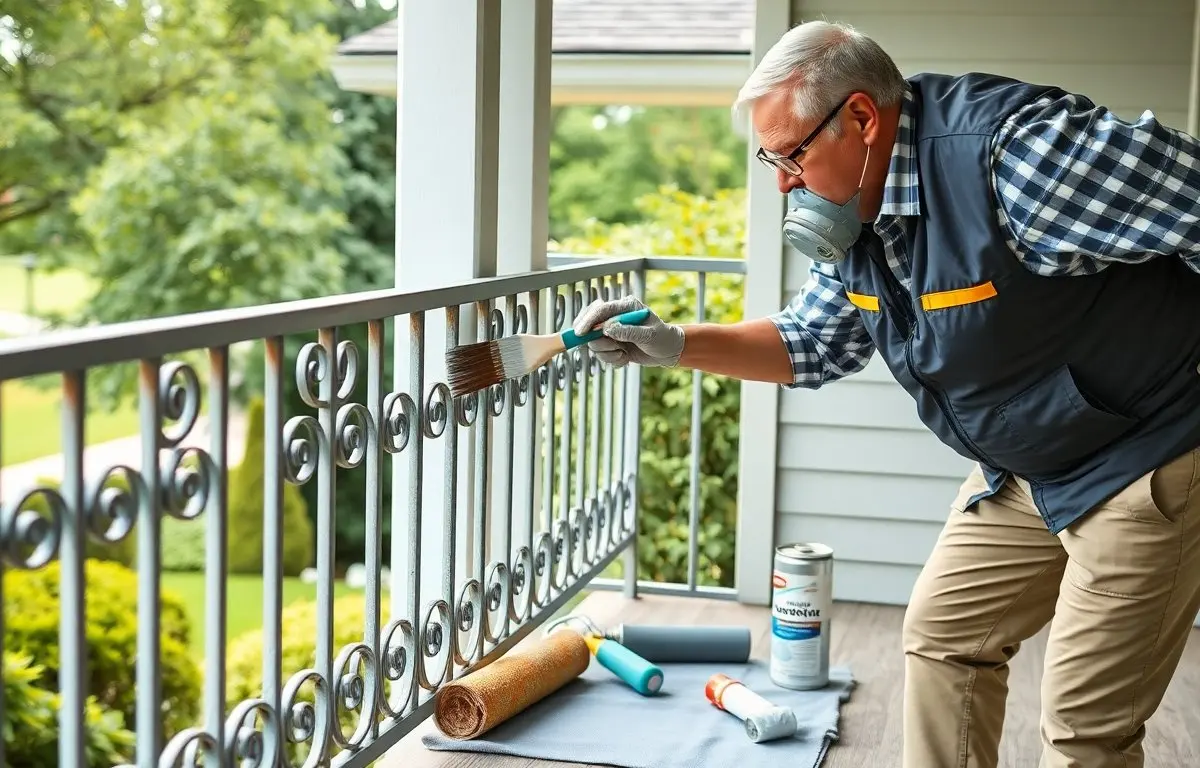
They need the right tools before they paint metal railings. Required items include a wire brush, sandpaper (80–220 grit), and a metal scraper. They need rust converter or naval jelly for heavy rust spots. They need a metal primer labeled for iron or steel and a topcoat for metal such as oil-based or acrylic enamel. They need brushes, a small roller, and spray paint or a spray gun for even finish. For safety, they need gloves, eye protection, and a respirator rated for paint fumes. They should also use drop cloths and painter’s tape to protect nearby surfaces. A small bucket and rags make cleaning easier. They should check weather and avoid painting in high humidity or direct, hot sun.
Step‑By‑Step Painting Process — Overview
This section outlines the main stages that they follow when they paint metal railings. They should plan to work in three phases: prepare the surface, apply primer, and apply topcoat. Each phase affects durability and rust resistance. They should allow proper drying time between steps. They should clean, sand, and repair before they prime. They should use a primer made for metal and then use a compatible topcoat. They should finish with a light second coat if the first coat shows faint spots. They should also inspect and touch up every few years to extend life.
Surface Preparation: Cleaning, Rust Removal, And Repair
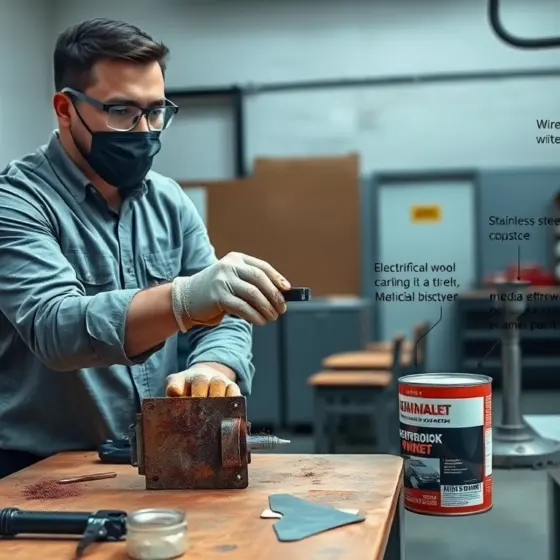
They must clean railings before they paint metal railings. They start by washing with a degreasing cleaner or dish soap and water. They scrub tough grime with a stiff brush and rinse well. They dry the metal with rags and let it air for a short time. For loose paint and surface rust they scrape with a metal scraper and use a wire brush. They sand remaining rust and bright steel down to a smooth surface. For heavy rust they apply a rust converter per product directions. They use body filler or epoxy putty to fill pits and holes and then sand smooth. They remove dust with a tack cloth. Proper prep ensures primer bonds and reduces future flaking.
Priming, Painting, And Finishing Techniques For Long‑Lasting Protection
They apply primer after they finish prep when they paint metal railings. They choose a primer labeled for ferrous metal and follow the dry time on the can. They brush or spray thin coats and avoid drips. They allow the primer to dry fully before the topcoat. For the topcoat they use paint rated for exterior metal and follow the manufacturer’s instructions. They apply two thin coats rather than one thick coat. They keep brush strokes even and run a light roller or spray over brush marks. If they use spray paint they hold the can steady and move in smooth passes. They seal corners and welds well, because water finds those spots first. They check for runs and sand lightly between coats if needed. For final protection they let the paint cure fully before they use the railings. They plan regular inspections and touch-ups every two to five years depending on exposure.