How to season cast iron grill grates matters for every grill owner who wants nonstick food and long grate life. This guide explains why to season, when to do it, what to buy, and a clear grill-based method. It gives simple safety tips and short maintenance steps. The directions use common oils and normal grill heat. Read this to get a durable, food-safe seasoning that prevents rust and makes grilling easier.
Key Takeaways
- Season cast iron grill grates to create a nonstick, rust-resistant surface that improves heat transfer and makes grilling easier.
- Season new grates, after cleaning or rust removal, and routinely as part of grill maintenance to preserve seasoning and prevent sticking.
- Use high-smoke-point oils like refined flaxseed, grapeseed, canola, or vegetable oil for durable seasoning without sticky buildup.
- Clean grates thoroughly before seasoning and apply a thin oil coat, heating the grill to 400–450°F for 45–60 minutes, repeating the process twice for a strong layer.
- Maintain seasoning by lightly cleaning after each use and applying a thin oil layer; reseason fully every few months or when rust or dullness appears.
- Store grates dry and covered to minimize moisture and extend the lifespan of your cast iron grill grates.
Why Season Cast Iron Grill Grates (Benefits And What To Expect)
Season cast iron grill grates to create a thin polymerized oil layer on the metal. The layer gives nonstick performance, stops rust, and improves heat transfer. Users notice less sticking, easier cleaning, and better grill marks. Seasoning changes the grate surface from dull gray to darker, slicker finish. Seasoning does not make the grate indestructible. It requires care and occasional refresh. When food sticks, the user should clean and reapply oil as needed. Regular seasoning saves time and extends the grate lifespan.
When To Season: New Grates, Stripped Finish, Or Routine Refresh
Season when the grates are new and after factory coating removal. Season after a chemical or abrasive clean that removed existing oil. Season when rust forms or food sticks more than normal. Season as part of annual grill maintenance if the grill sees monthly use. Season more often in wet climates or if the grill stays outdoors. A quick visual check of the finish tells the user when to act. Dark, even color means good seasoning: pale or rusty spots mean reapply.
What You’ll Need: Tools, Oils, And Safety Tips
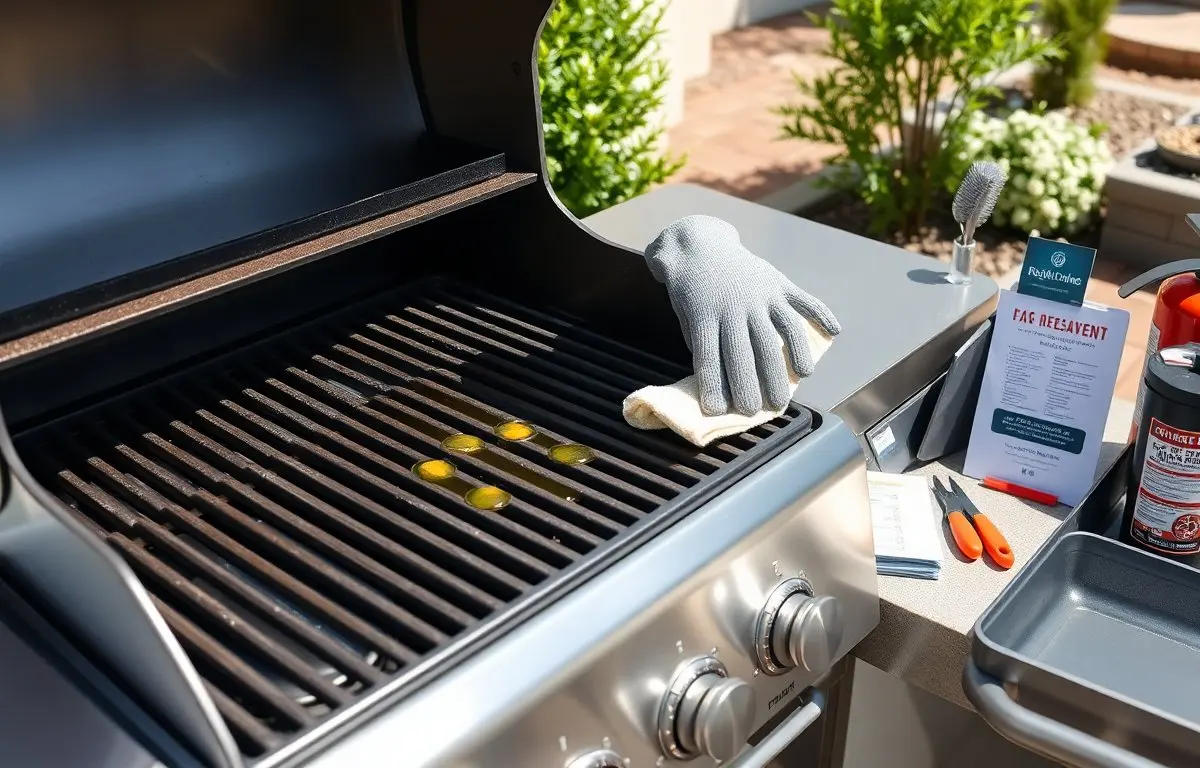
Gather a stiff grill brush, steel wool or scouring pad, clean rags, a heatproof glove, and a drip pan. Use high‑smoke‑point oils that polymerize well. Good choices include refined flaxseed oil, grapeseed oil, canola oil, or vegetable oil. Avoid flavored or low‑smoke oils. Use minimal oil: excess causes sticky buildup. Work outdoors in a well‑ventilated area. Wear gloves and eye protection. Keep the grill lid open when heating if using a gas grill to avoid flareups. Have a fire extinguisher nearby as a precaution.
Step‑By‑Step Seasoning Method Using Your Grill
This method uses the grill as the oven to polymerize oil on the grates. It works with gas or charcoal grills. The steps give an even, durable finish when the user follows heat and oil guidelines.
Cleaning And Prep: Remove Rust, Old Oil, And Debris
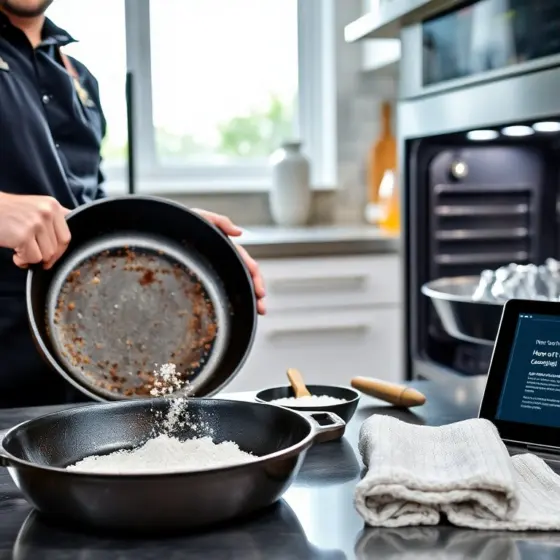
Clean the grates with a stiff brush to remove loose debris. For rust, scrub with steel wool until bare metal shows. Wash grates with warm, soapy water if they hold grease. Rinse and dry the grates completely. Place dry grates on the grill or a work surface. Heat the grill briefly to evaporate any remaining moisture. The user should ensure no loose scale or soap residue remains before oiling.
Applying Oil And Heating: How To Build A Durable Seasoning Layer
Apply a thin coat of chosen oil to each grate piece using a rag. Wipe off excess oil until the surface looks barely shiny. Place the grates on the grill. For gas, set burners to medium‑high and close the lid. For charcoal, build a hot bed and spread coals for even heat. Heat grates to 400–450°F (204–232°C) for 45–60 minutes. Allow oil to polymerize into a dry, dark layer. Turn off the grill and let the grates cool slowly. Repeat the thin‑coat heating two more times for a stronger finish.
Maintaining Seasoning: After‑Cook Care And Periodic Re‑Seasoning
After each cook, the user should clean lightly while the grate is warm. Use a stiff brush to remove food bits. Wipe the grates with a thin layer of oil on a paper towel to restore the surface. For stuck food, heat the grill and scrape, then oil. If the finish dulls or rust appears, strip loose rust and repeat the grill seasoning method. Schedule a full reseason every few months with regular use. Store grates dry and covered when not in use to limit moisture exposure.