
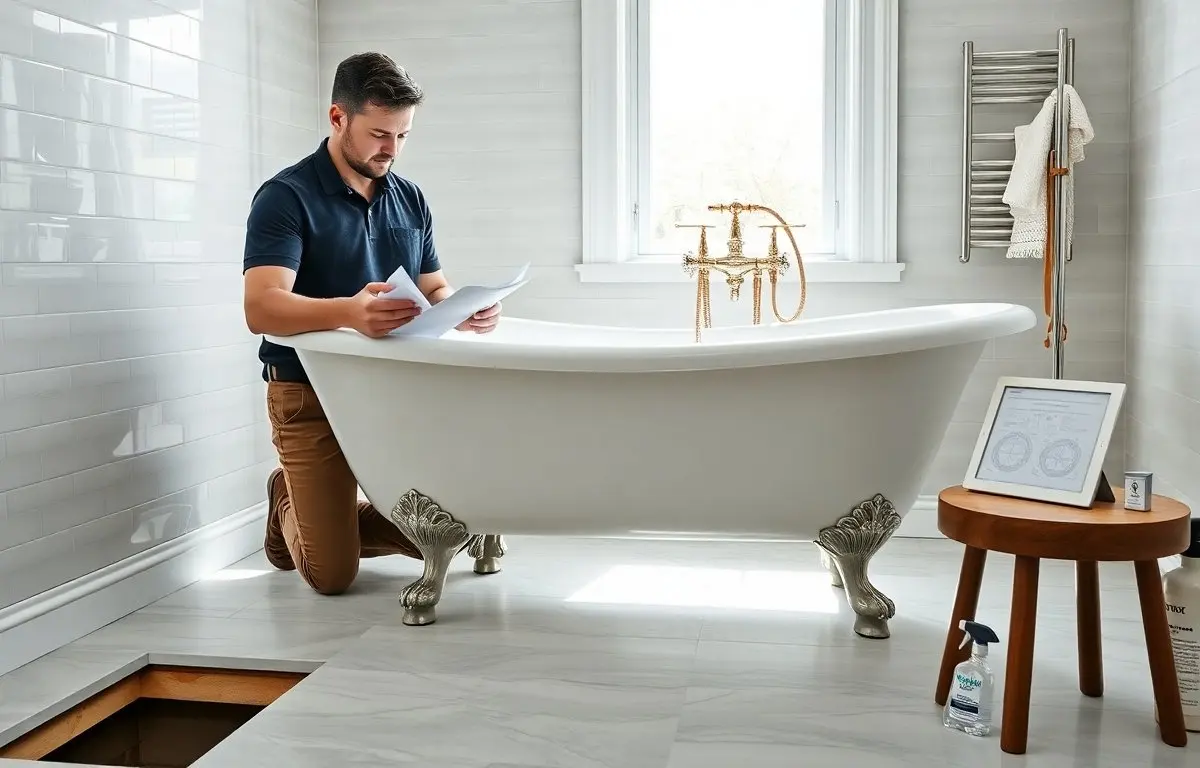
A cast iron clawfoot bathtub offers classic style and long life. The cast iron clawfoot bathtub holds heat well and resists damage. Shoppers choose this tub for look, performance, and value. This guide helps buyers compare models, plan installation, and care for a cast iron clawfoot bathtub with clear, practical steps.
Key Takeaways
- A cast iron clawfoot bathtub offers timeless beauty, superior heat retention, and long-lasting durability compared to acrylic or fiberglass tubs.
- Measure bathroom dimensions and confirm floor load capacity before purchasing to ensure proper fit and installation safety for a cast iron clawfoot bathtub.
- Professional installation requires reinforcing bathroom flooring, precise leveling, and matching plumbing to accommodate the tub’s weight and drain placement.
- Regular maintenance involves rinsing and drying after use and using nonabrasive cleaners to preserve the tub’s enamel finish and prevent damage.
- Restoring or refinishing a cast iron clawfoot bathtub can extend its lifespan and enhance appearance, with professional services typically taking 2–5 days to complete.
- While initial costs and installation of a cast iron clawfoot bathtub may be higher, its longevity and low replacement needs provide strong value over time.
Why Choose a Cast Iron Clawfoot Tub: Beauty, Performance, and Longevity
The cast iron clawfoot bathtub delivers a vintage look that fits both period and modern bathrooms. It provides deep soaking and steady heat retention. Homeowners value the tub for its enamel finish that resists scratches and stains. The heavy weight reduces vibration and gives a solid feel when someone steps in. The cast iron clawfoot bathtub resists wear better than acrylic or fiberglass. It keeps bath water warmer for longer, so users need less hot water. Buyers who plan for decades often select a cast iron clawfoot bathtub because it lasts longer and maintains appearance with basic care. Many models come with decorative feet in nickel, brass, or black. The feet add style without changing function. Overall, the cast iron clawfoot bathtub combines visual appeal, thermal performance, and proven durability.
How To Pick the Right Clawfoot Tub for Your Bathroom
Measure the bathroom first. The installer or homeowner must confirm doorways, hallway width, and final doorway clearance. Check floor load capacity: the cast iron clawfoot bathtub can weigh 300–500 pounds empty and 800–1,200 pounds when filled. Decide on capacity and interior length. A longer tub suits taller people. A slipper-style tub provides head support but takes more space. Confirm drain placement. The plumbing rough-in must match the tub or allow for easy relocation. Choose enamel color and finish that match fixtures and tile. Consider foot style and material for visual balance. Compare new and vintage options. A new cast iron clawfoot bathtub often arrives with guaranteed enamel and matching hardware. A vintage tub may need refinishing but can show authentic patina. Ask the seller about warranty, lead time for delivery, and return policy. Budget for delivery and moving costs: some vendors offer room-of-choice delivery for an extra fee. Finally, confirm local codes for overflow and anti-scald valves.
Installation, Plumbing Considerations, and Flooring Support
Installers must inspect the floor structure before placing a cast iron clawfoot bathtub. They must verify joist spacing and nail down a reinforced subfloor or add blocking. A structural upgrade often adds plywood and adhesive to spread load. Plumbers must set the drain flange and waste line to match the tub’s outlet height. If the tub uses a freestanding faucet, the plumber must locate supply lines on the floor or wall as required. Installers should use flexible connectors to reduce stress on fittings. The cast iron clawfoot bathtub requires precise leveling to avoid rocking and strain on the drain. Installers typically use adjustable feet or shims under the tub base. If the tub sits on tile, installers recommend a thin bed of mortar under the tub to prevent cracks and to improve stability. For water-seal attention, seal the drain flange and test for leaks. In bathrooms with radiant floor heating, the team must avoid excessive heat transfer to the tub base. Finally, plan for removal access in case the tub needs repair or replacement.
Restoration, Maintenance, and Cost Breakdown
A homeowner can maintain a cast iron clawfoot bathtub with simple steps. They should rinse the tub after each use and wipe it dry to reduce mineral spots. Use a nonabrasive cleaner for routine scrubs. Avoid steel wool or harsh acids that strip enamel. For small chips, a touch-up kit with enamel repair works well. For larger damage or stubborn stains, a full refinish restores gloss and color. A professional refinish includes cleaning, filling chips, sanding, and applying new enamel. Costs vary by work type. A new cast iron clawfoot bathtub runs $700–$4,000 depending on brand and finish. Delivery and installation add $300–$1,200. Refinishing a tub runs $300–$900. Structural floor upgrades add $200–$1,200. Vintage tubs may save on purchase but need more work. A homeowner should plan a budget line for unexpected plumbing adjustments. The cast iron clawfoot bathtub pays back over time with low replacement needs and long service life. Regular care reduces the need for major repairs and preserves resale value.
Step‑By‑Step Restoration Checklist: What To Expect If You Refinish a Tub
Clear the room and remove surrounding trim. Disconnect and remove drain and overflow hardware. Clean the tub surface with degreaser and rinse. Fill chips with epoxy filler and allow it to cure. Sand the surface to remove loose enamel and to smooth repairs. Mask surrounding areas to protect floors and walls. Apply primer designed for cast iron. Spray or roll on enamel in controlled coats. Allow proper cure time between coats. Reinstall hardware with new gaskets and seals. Test the drain and overflow for leaks. Polish the finish gently if the product allows. Expect the whole process to take two to five days depending on cure times. The homeowner should plan for no use during that period. A professional will guarantee adhesion and finish for a limited time.