
Rustic industrial interior design blends raw materials with lived-in warmth. The style pairs metal and wood with soft textiles and warm lighting. It suits lofts, renovated factories, and cozy family homes. Readers will learn clear steps to pick materials, colors, and furniture. The guide shows practical choices that produce authentic, warm, and edgy spaces without excess fuss.
Key Takeaways
- Rustic industrial interior design combines raw metal, reclaimed wood, and masonry to create warm yet edgy spaces.
- Using a restrained color palette of earth tones and muted accents enhances the authentic rustic industrial look.
- Durable finishes like stained concrete floors and exposed brick walls maintain visual honesty and texture.
- Furniture and lighting choices should balance comfort with industrial materials, emphasizing structure and warmth.
- Incorporating textiles, plants, and curated decor softens the space while reinforcing the rustic industrial style.
- This design suits open plans and cozy homes seeking character without excess formality or polish.
What Is Rustic Industrial? Origins, Personality, And When It Works
Rustic industrial interior design grew from early 20th-century factories and later from adaptive reuse projects. Designers kept structural elements and added domestic comforts. The style displays exposed beams, steel columns, and reclaimed wood. It pairs visible infrastructure with objects that feel lived-in. The personality of the style reads as honest and grounded. It looks rough but feels welcoming.
They choose rustic industrial interior design when they want contrast. They want a space that reads strong and also invites people to stay. The style works in open plans and in rooms that keep some raw surfaces. It fits living rooms, kitchens, and workspaces. It fits people who prefer simple lines and tactile materials.
They should avoid the style when they need a fully polished or highly formal look. They should avoid it in spaces that require strict hygiene or sterile surfaces, such as certain medical areas. In those cases, they should choose another approach. For many homes and small businesses, rustic industrial interior design gives character without excess cost.
Key Materials, Textures, And Color Palette
Rustic industrial interior design relies on three material groups. The first group is metal. They use steel, iron, and aged brass for beams, brackets, and fixtures. The second group is wood. They use reclaimed planks, rough-sawn beams, and oak for floors and furniture. The third group is masonry and concrete. They leave brick and concrete visible or use finishes that mimic them. The combination creates contrast and balance.
They mix textures to add depth. Rough wood and cold metal sit near soft wool and linen. Leather adds warmth and patina. A single soft rug can soften a concrete floor and anchor seating.
They choose a restrained color palette. Earth tones form the base: warm browns, muted ochres, and olive greens. They add charcoal, iron gray, and black as accents. They use off-white or cream for ceilings and trims to keep rooms bright. Small accents in rust red or deep blue add interest without overwhelming the base palette.
Finishes, Flooring, And Wall Treatments
They pick finishes for durability and visual honesty. For floors, they choose wide-plank hardwood, stained concrete, or polished terrazzo. They seal floors for protection but avoid glossy coatings that erase texture. For walls, they leave brick exposed where possible. They use lime wash or matte paint on plaster walls to keep a soft, tactile look. They use metal panels or corrugated steel for a single accent wall in utility rooms or kitchens.
They select hardware that looks engineered. They prefer steel pulls, visible welds, and simple rivets. They choose light fixtures with exposed bulbs or metal shades. They balance finishes by repeating a material in multiple places. For example, a reclaimed wood coffee table can match open shelving in the kitchen. That repetition creates cohesion in rustic industrial interior design.
Furniture, Lighting, Layout, And Practical Styling Tips
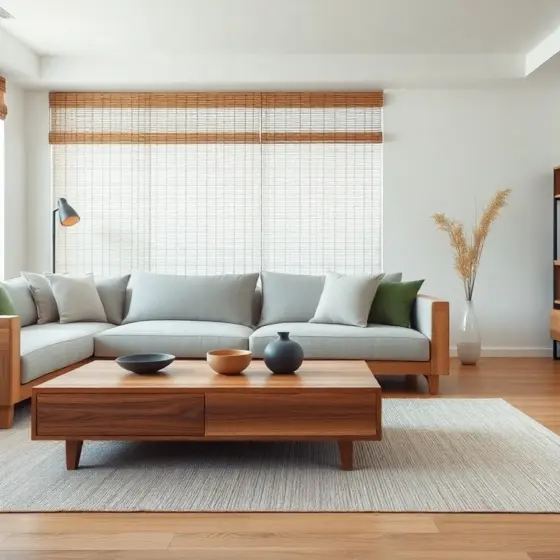
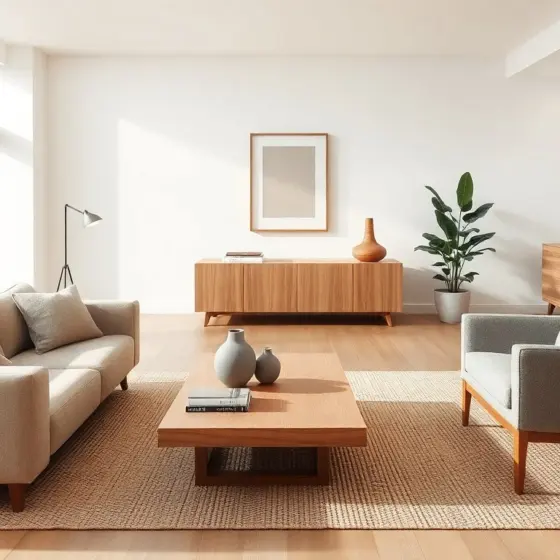
They choose furniture that balances form and comfort. They buy solid wood tables with slim metal legs. They pick upholstered sofas in neutral fabric and add leather armchairs for contrast. They favor modular seating for flexible layouts. They place furniture to emphasize structure. They leave clear sightlines to exposed beams and brick where possible.
They design lighting to warm the palette. They use layered lighting. They place overhead pendants for task areas, track lights for adjustable accent, and table lamps for reading. They pick bulbs with warm color temperature. They dim lights to create mood in the evening. They use metal shades and simple glass for fixtures to match the material mix.
They plan storage to hide clutter and to celebrate objects. They install open shelving for ceramics and books. They add closed cabinets for small items and cables. They use vintage trunks or metal lockers as storage that also reads as decor. They arrange objects in small groups. They keep surfaces mostly clear and place a few tactile items on display.
They add textiles to soften edges. They layer rugs, throws, and cushions in natural fibers. They choose rugs with low pile and simple patterns. They pick cushions that echo the palette. They avoid bright prints that conflict with the core materials.
They add plants for life and contrast. They place tall plants near windows and small potted herbs in the kitchen. Plants add color and break up hard surfaces.
They finish with art and small details. They select large-scale prints or framed vintage posters. They lean a mirror against a brick wall to reflect light. They add a few metal sculptures or crafted objects to reinforce the industrial side. They edit ruthlessly. One or two strong pieces work better than many small items in rustic industrial interior design.