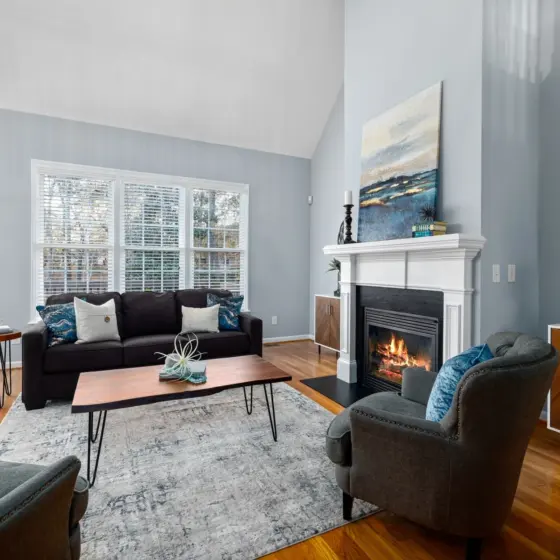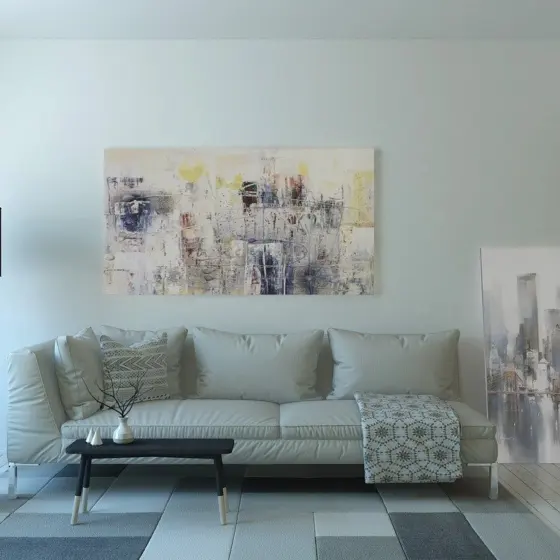
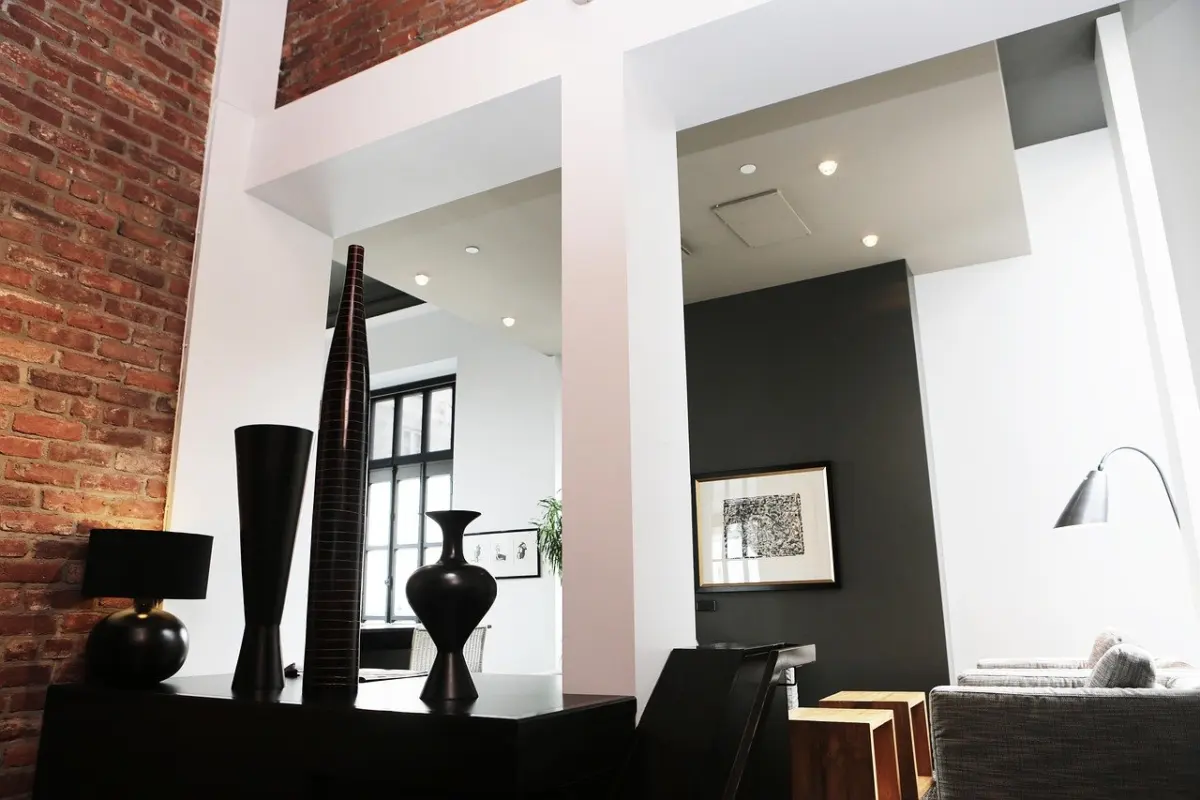
Modern industrial interior design pairs raw materials such as exposed brick, concrete and black metal with reclaimed wood, leather and soft textiles in an open layout. The warmth comes from layering and scale, not from hiding the structure.
If you are new to planning rooms, start with our interior design basics for beginners, then use this guide to apply those principles to a loft-style look.
Defining features of the style
Modern industrial design is defined by raw materials, open spaces and a mix of modern and vintage elements, according to Decorilla. Each of these does a different job. Raw materials supply texture and character. Open space lets those surfaces breathe. The modern and vintage mix stops the room from reading as a museum of factory relics.
Exposed brick is often called the heart of industrial interiors, and concrete, metal and wood fill out the rest of the material list. What makes the look modern rather than purely rustic is contrast. Decorilla notes that mixing raw materials such as concrete and wood with refined finishes gives a balance that feels sophisticated yet relaxed, for example brick behind sleek furniture.
Layout matters as much as finishes. Industrial design embraces open floor plans that create spacious, airy environments. That is why the style suits lofts and converted spaces, and why the same materials can feel heavy when they are boxed into small separate rooms.
Why raw materials need a warm counterweight
Brick, concrete and metal are hard, dark or cool in tone, so a room built only from them tends to feel cold. The guidance is direct: industrial style should still feel inviting. The practical answer is to give every hard surface a softer or warmer partner, rather than removing the raw material you chose the style for.

Brick already carries some of that warmth, because its red or brown tones bring warmth to a space. Reclaimed wood balances the metal and concrete and brings in natural elements. Soft furnishings finish the job. If concrete seems too harsh, neutral area rugs soften it, and fluffy rugs, throw blankets and plush cushions add comfort on top of hard materials.
| Material | Role in the look | Warming partner | Planning use |
|---|---|---|---|
| Exposed brick | The heart of industrial interiors | Red or brown brick tones | Let a brick wall be the focal surface and keep neighbouring finishes quiet. |
| Concrete floors | Tough and easy to clean; handles spills and heavy use | Neutral area rugs | A sensible floor for dining spaces and kitchens. |
| Reclaimed wood | Balances metal and concrete, adds natural warmth | Leather sofa beside a reclaimed wood coffee table | Use it where people touch the room: tables, shelves and seating zones. |
| Black metal | Fixtures in black metal or aged brass; steel tables and iron chairs | Wood and textiles alongside | Use for lighting, frames and furniture legs rather than every surface. |
| Leather sofa | A leather couch works well; fabric sofas can work too | Clean lines with plush cushions | Choose it as the main seat in a living area. |
Material roles follow the industrial design guide, and the leather sofa and reclaimed wood pairing comes from Decorilla.
Building the room in stages
Layout and scale come before decoration, because they decide how heavy the materials feel. Work through the room in this order.
- Open the plan where you can. Decorilla suggests removing unnecessary walls for an airier feel, and open plans can make a space feel larger. If a wall is structural or you rent, the same effect comes from keeping sight lines clear of tall, bulky furniture.
- Choose a few key pieces. A large sofa, one substantial table and a bold light fixture give the space scale without clutter. Industrial rooms depend on empty floor and wall as much as on objects.
- Layer softness over the structure. Throw blankets and plush cushions on the sofa or chairs take the edge off metal and leather, and give the room a lived-in look.
- Protect natural light. Natural light keeps an industrial space from feeling dark or cold. Light wall colors reflect it, and mirrors bounce it deeper into the room.
- Finish with lighting. Add fixtures last, once you can see where the room is still dark or flat.
This sequence is the heart of the style’s warmth: the room feels cozy because the scale is generous and the layers are deliberate, not because it is crowded with comforts.
Lighting that adds warmth
Lighting is where the industrial look and the cozy goal meet most easily. Decorilla recommends industrial-style pendant lights, exposed Edison bulbs and large floor lamps, and Homeworld Design lists oversized pendants with exposed bulbs, vintage fixtures and industrial-style lamps as common choices. Because the bulb is visible, the fixture becomes part of the decor, and the warm glow of an Edison bulb does the softening that a shade would elsewhere.
Placement is practical as well as decorative. Hang pendants above kitchen islands, dining tables or in entryways, where they light a task and mark a zone without needing a wall. Floor lamps and wall sconces add a second layer at seating height. A Houzz project for an industrial basement pub shows the same logic at work: old-style fixtures with bare Edison bulbs, plus LED accent lights under the bar top.
Colors that work
Neutrals carry the style. Grays, whites and browns create a calm backdrop that lets the raw materials shine, so the palette should recede while brick, wood and metal supply the visual interest. Browns also echo the tones of brick and wood, which keeps the base from turning stark.
Color enters through accessories. Add accents with pillows, art or rugs, and keep the overall tone muted for a chicer look. This approach is easy to adjust later, since swapping a cushion cover costs far less than repainting a wall. It also protects the effect of the raw surfaces, which a loud paint color would compete with.
Common mistakes and where to go next
The most common mistake is leaning on hard materials alone. A room of only metal and concrete reads as unfinished or cold, which is the opposite of what the layered approach is meant to achieve. Treating raw as the only note also misses the refined half of the pairing: sleek furniture or polished details against rough surfaces are what make the result feel modern.
A second mistake is choosing fixtures and furniture by silhouette alone. Black metal or aged brass suits the look, but the strongest rooms repeat a small set of finishes rather than collecting many.
For a darker, more atmospheric take on warmth, see Cozy Moody Living Room: How To Craft Warm, Atmospheric Spaces In 2026. If you plan to apply the same materials to a work area, Industrial Office Interior Design: How To Create Functional, Stylish Workspaces In 2026 covers that setting, and more room guides sit in our Interior Design category.
Frequently asked questions
Can I use a fabric sofa instead of leather?
Yes. A leather couch works great, but fabric sofas can work too. Look for clean lines and add plush cushions so the seating still feels soft against concrete and metal.
Which metal finishes suit the look?
Black metal and aged brass are the recommended finishes for fixtures. Steel tables and iron chairs also fit, and dark pipe colors such as black or dark gray keep exposed runs looking intentional.
How much decor should an industrial room have?
Keep it minimal and focused on a few key pieces. Decorilla advises avoiding overcrowding with excessive decor, since the raw surfaces already supply texture.
Where did industrial design come from?
Decorilla traces industrial chic to the transformation of old factories and warehouses into stylish living spaces. The modern version keeps that raw character and adds a deliberate mix of modern and vintage pieces.