
An industrial style kitchen delivers a raw look and practical function. The industrial style kitchen favors metal, concrete, and open storage. It uses simple lines and honest surfaces. It keeps clutter out and workflow smooth. This guide shows core traits, durable choices, and daily-use tips. It helps homeowners build an industrial style kitchen that lasts and performs.
Key Takeaways
- An industrial style kitchen emphasizes raw materials like metal, concrete, and reclaimed wood paired with neutral tones to create a functional, durable space.
- Open shelving and visible storage promote easy access and reduce clutter, enhancing workflow and kitchen utility.
- Choosing heavy-duty fixtures, stainless steel appliances, and sealed concrete or hardwood floors ensures long-lasting performance and easy maintenance.
- Design the layout using the classic work triangle—sink, stove, refrigerator—to streamline cooking tasks and maximize efficiency.
- Incorporate task-focused lighting such as LED strips and factory-style pendants to support various kitchen activities and complement the industrial aesthetic.
- Keep styling minimal and practical, showcasing essential items and using neutral textiles to maintain the kitchen’s clean, purposeful look.
Core Characteristics Of The Industrial Kitchen Aesthetic
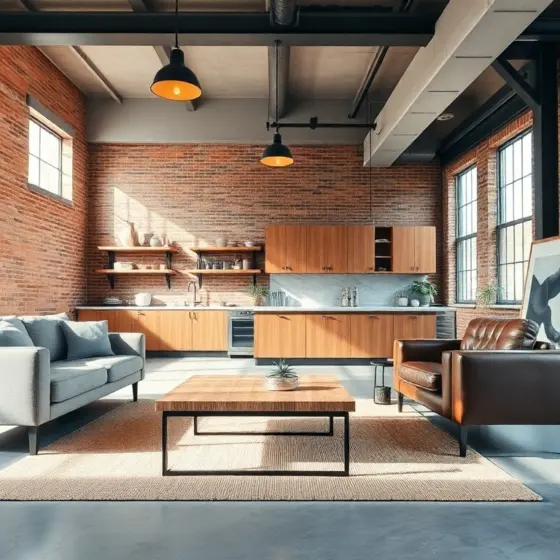
The industrial style kitchen uses exposed structure and honest materials. It often shows ductwork, beams, and brick. The industrial style kitchen favors steel, reclaimed wood, and concrete for surfaces. It pairs raw textures with neutral tones. The industrial style kitchen uses black, gray, brown, and muted white to keep the palette calm. It prefers open shelving and metal racks over closed cabinets. The industrial style kitchen puts utility first. It places cookware and utensils within reach. It adds heavy-duty sinks and visible plumbing to underline function.
The industrial style kitchen mixes old and new. It puts vintage light fixtures next to modern appliances. The industrial style kitchen uses factory-inspired pendants to light work areas. It uses butcher block or stainless counters for prep work. The industrial style kitchen often leaves floors bare or uses sealed concrete for durability. It accepts scratches and patina as part of the look. The industrial style kitchen favors simple furniture. It chooses stools with metal legs or stools built from reclaimed wood. The industrial style kitchen avoids ornate details and trims.
The industrial style kitchen also focuses on scale. It uses large islands and broad countertops when the room allows. It uses broad open spaces and clear traffic paths. In small homes, the industrial style kitchen uses compact, multi-use furniture. It stacks storage vertically. The industrial style kitchen remains functional and efficient in any footprint.
Choosing Materials, Fixtures, And Appliances That Work (And Last)
Choose materials that resist wear and show age with dignity. Homeowners should pick stainless steel for appliances and prep surfaces. Stainless steel handles heat and stains. Homeowners should choose concrete counters with a protective seal. A sealed surface resists stains and cleans easily. They should pick hardwood or sealed concrete floors. These floors handle heavy use and clean simply.
Select fixtures built for heavy use. Choose faucets with commercial-style spouts and solid brass valves. Choose sinks that are deep and durable. They should accept heavy pots without denting. Choose cabinet hardware in metal finishes that hide fingerprints. Choose open metal shelving for everyday dishes and frequently used pans. Metal shelves save space and simplify access.
Pick appliances that balance power and serviceability. Choose range hoods with high extraction rates. Choose ranges with cast-iron grates and easy-to-clean surfaces. Choose refrigerators with simple mechanical parts. They last longer and repair easier. When budget allows, choose professional-grade appliances for heavy cooking. They offer stronger components and longer warranties.
Choose lighting that supports tasks. Choose LED strips under shelves for prep work. Choose pendant lights over islands to focus light on work zones. Choose dimmable fixtures so they can adjust light for meal prep and dining. The industrial style kitchen works best when materials and fixtures last and serve clear functions.
Practical Layout, Lighting, And Styling Tips For Everyday Use
Plan a layout that reduces steps and clears sightlines. Position the sink, stove, and refrigerator in a compact triangle. This triangle helps movement during cooking. Place the prep area next to the stove. Place the dishwasher near the sink. The industrial style kitchen benefits from wide aisles and a durable island that doubles as storage and work space.
Design lighting by tasks. Place bright light above the main prep surface. Place softer light above the dining area. Use adjustable fixtures to shift light for cooking, cleaning, and hosting. The industrial style kitchen pairs task lighting with ambient light. It uses metal shades and clear bulbs to match the aesthetic.
Organize storage for fast reach and clear visibility. Group pots, pans, and utensils by use. Store cutting boards and trays vertically for easy access. Use labeled metal bins for dry goods. Keep commonly used spices on a small rail near the stove. The industrial style kitchen removes visual clutter by making storage visible and logical.
Add finishes that improve daily life. Install a magnetic strip for knives near the prep area. Add heavy-duty hooks for large utensils and mugs. Use a rolling cart for extra prep space that can move where needed. The industrial style kitchen accepts wear but keeps cleaning simple. Choose surfaces that wipe clean and hardware that resists grime.
Keep styling low and clear. Display a few well-used items such as cast-iron pans or ceramic mixing bowls. Add a small plant to soften the hard edges. Choose textiles in neutral tones for towels and runners. The industrial style kitchen keeps decoration useful and limited.
Finally, test the space before finalizing finishes. They should cook a meal and ask if the layout feels natural. Adjust shelf height, light placement, and work surface size as needed. This step ensures the industrial style kitchen works well for everyday life.