

https//savingtheplants.com is how many people type the address of SavingThePlants.com, a plant and sustainability blog, when the colon is missing from the start. This deep dive focuses on one angle that the cluster of searches keeps returning to: the site’s policy page and what it says about privacy, donations and content.
| Item | Detail |
|---|---|
| Site | Plant, sustainability and green-tech blog |
| Menu | Home, Sustainability, Green Tech, General Thoughts, About, Contact |
| Policy page | Covers privacy, terms, donations and copyright |
| Donate button seen? | No donate page in the main menu |
What SavingThePlants.com is
The homepage greets visitors with “we all love savingtheplants .com” and a joke about plants never forgetting your birthday. The About page introduces two co-founders, Elizabeth and Jane, who describe a humorous, upbeat approach to environmental topics. The menu has Sustainability, Green Tech and General Thoughts, and there is a section for green photos of the month.
The typed forms vary: savingtheplants .com, savingtheplantscom, www.savingtheplants .com, www. savingtheplants .com and / /savingtheplants.com all appear in searches. Each is an attempt at the same address, savingtheplants.com, and the site responds from it directly.
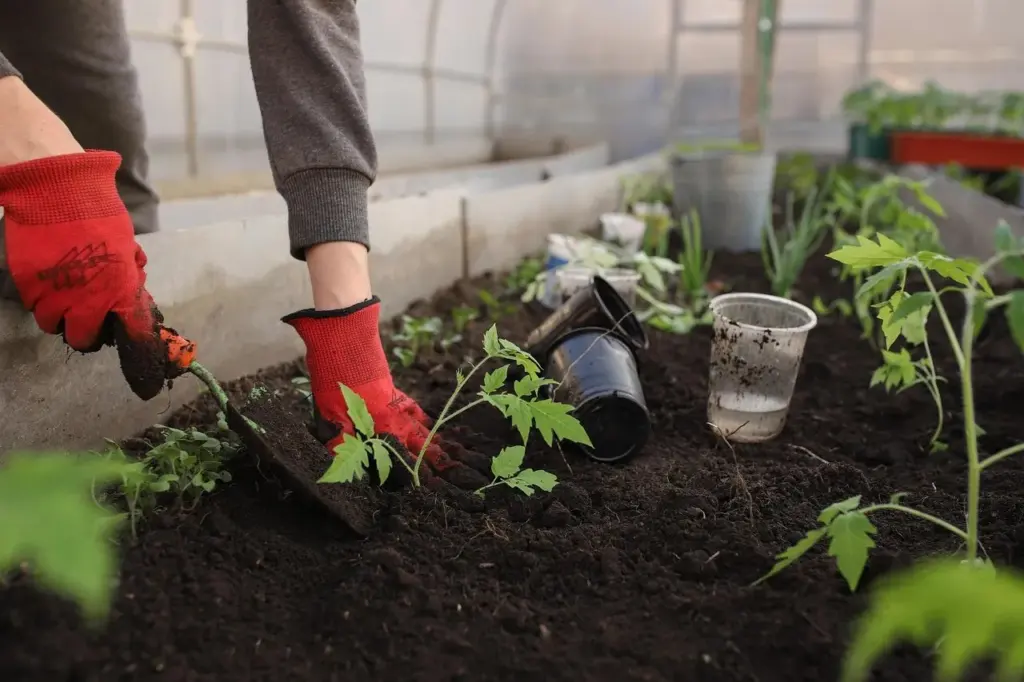
Inside the savingtheplants.com policy page
The page called savingtheplants.com policy is published like an article, with a key-takeaways block and sections, rather than as a plain legal page. It covers several areas.
Data collected. Contact information, account data, donation history and usage logs, plus cookies for performance and saved preferences. It says aggregated data is used for analytics and that limited data is shared with payment processors and service providers.
Security and retention. It mentions encryption for payment data, restricted access on a need-to-know basis and keeping data only as long as the law requires or an account remains active. Visitors may ask to access, correct or delete personal data by contacting the site.
Content and copyright. Contributors grant a non-exclusive licence to display their submissions, the site may edit for clarity while keeping credit, and a takedown process for copyright complaints is described, along with content moderation and an appeal route.
Donations. They are described as processed through payment platforms with disclosed fees, with refunds only in cases such as payment errors.
Rules for contributors and donors in the policy
Two parts of the policy are unusually specific. For contributors it says the site may edit submissions for clarity while keeping the original credit, and that contributors keep ownership while giving a non-exclusive licence to display the work. For donors it promises clear disclosure of fees and a refund route when there is a payment error.
Both are reasonable on paper. For a site that appears to publish its own writers, however, a contributor licence is only relevant if outsiders can submit articles, and the menu has no submission page.
Does the savingtheplants.com policy match the site?
That is the interesting question. The policy speaks of accounts, donors and contributors. The main menu, however, has no donate page, no login link and no submission form. The About page describes a pair of friendly bloggers rather than an organisation taking donations. So the policy may describe features the site does not show, or features that sit on pages not reviewed here.
The wording also reads as a general template, which many small sites use. It is not unusual, but it means a reader should not assume a donation programme exists simply because the policy mentions one. If you are asked to give money, look for an explicit donation page and organisation details first.
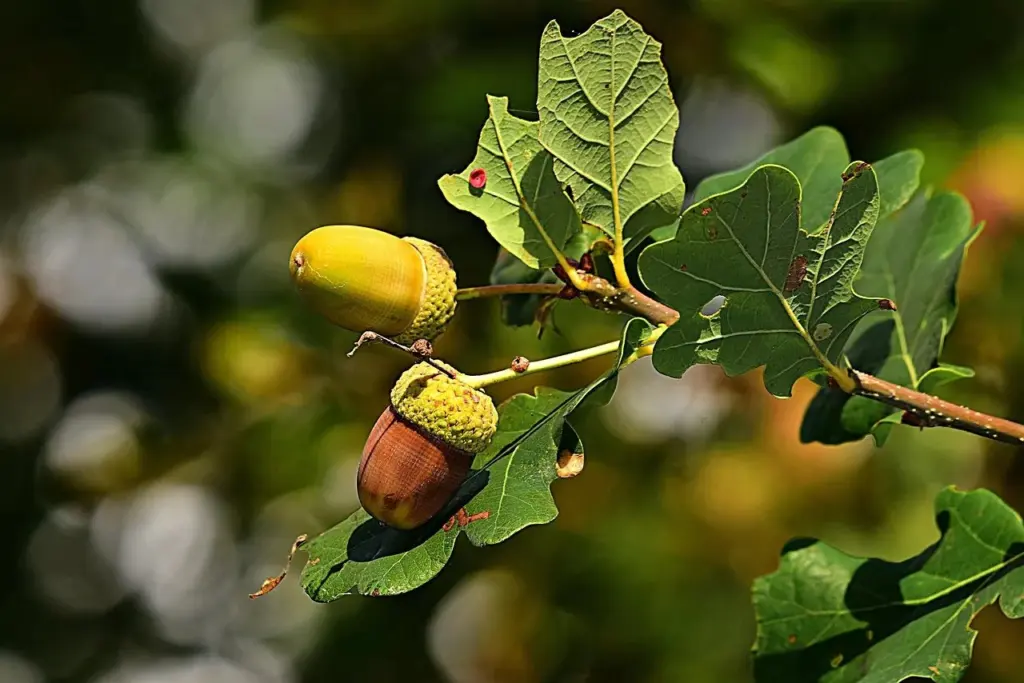
The practical articles on SavingThePlants.com
Under Sustainability and Green Tech the site publishes action-style pieces. Titles include practical ways every visitor can protect the planet, protecting local flora and restoring habitats, a plan for restoring local green spaces, urban farming, glass greenhouses for year-round growing and bioplastic technology. There is also an article on first aid for hikers and nature lovers visiting green spaces.
The common structure is a short opening, a list of steps and a note on why it matters. For a gardener, the greenhouse and habitat pieces are the most concrete, because they discuss real actions: choosing glass, planting native species, working with neighbours on a shared green space.
The site also runs a Green Photos of the Month feature and a run of “General Thoughts” posts, which keep the tone personal. That mix of humour and how-to is the main thing that distinguishes it from a plain news feed.
Other trust signals on SavingThePlants.com
There are friendlier signals too. The About page names real first names and a mission, and a contact invitation appears at the foot of the homepage. The articles carry bylines such as Jane Casady and Kormarin Endral.
Some content is harder to place. Titles include several that use scrambled or invented strings in place of the brand, such as one about climate action that uses a nonsense word, and posts that connect the site to cannabis stocks and a marijuana-friendly Halloween party, which sit oddly beside a conservation theme. The mix suggests a blog that publishes widely rather than a focused charity.
What the site’s own voice tells you
The About page is playful. It talks about photosynthesis puns, compost humour and ecosystems from jungle to desert, and the homepage carries a joke about romance and succulents. That personality is a real asset, because it makes the site memorable and the writing approachable.
It also hints at the intent: a friendly hobby blog with environmental themes, written for enjoyment, not a registered charity. That fits the lack of a donation page and makes the formal policy look like an add-on.
Why the address is typed so many ways
The version at the top of this page, https//savingtheplants.com, is a missing-colon typo of the https:// prefix, and the form / /savingtheplants.com is a leftover from pasting a link with its slashes. Neither is a separate site. A browser sorts them out if you retype the address as savingtheplants.com, and the site then loads normally.
A reading path through the site
A new visitor can follow a short path. Begin on the About page for the tone, then read one Sustainability action plan, then the green technology piece on bioplastics and finish with a General Thoughts post for the lighter side. Read the policy last, once you know what the site actually offers, so that you can compare the two.
The Green Tech section
Green Tech is the smallest section, and its subjects are consumer-level: bioplastic technology, what it is and why it matters, and a piece on building a conservation platform. The articles describe ideas and benefits in broad terms and do not cite studies or companies, so they work as introductions rather than as technical references.
How to judge any small-site policy page
Whatever the site, a short test works. Ask whether the policy names who is responsible, such as a company or a named person with a way to reach them. Check that the data it says it collects is data you could actually give the site: if there is no sign-up form, there is probably no account data. Look for dates, because a policy with no date cannot tell you when it applied. And see whether the donation or payment wording points to a real page.
Applied to SavingThePlants.com, the policy scores unevenly. It is detailed and sensibly structured, but it does not name an operator, and the features it describes are not visible in the menu. It is a useful reminder that a polished policy and a working donation page are different things.
What the site is good for
For readers, the best pieces are the practical ones: restoring local green spaces, protecting native plants, urban farming and glass greenhouses. They are short action plans, written in plain language. A conservation group would normally publish partner names and project reports, and none were seen here, so treat the posts as general reading rather than as reports from an NGO.
The about page and policy together paint a hobby blog with a wide remit. That is fine for gardening ideas, and it is a reason to keep any decision about donations or data separate from the reading.