How to clean wrought iron furniture comes down to gentle washing and fast finish repair: brush off debris, wash with warm water and mild soap, dry thoroughly, then sand, prime and repaint any rust spots.
The finish does most of the protecting, so every step below aims to keep it intact. For how iron compares with other finishes around the home, see the interior design materials guide.
How the finish fails and rust starts
Wrought iron rusts when its finish stops covering the metal. Iron Accents, a maker of iron outdoor furniture, says the most common reason iron rusts is a chipped finish that exposes bare metal to the elements. Painted metal also ages on its own. A backyard-care guide from Sonoma Backyard notes that paint on metal will crack, chip, fade and peel over time.
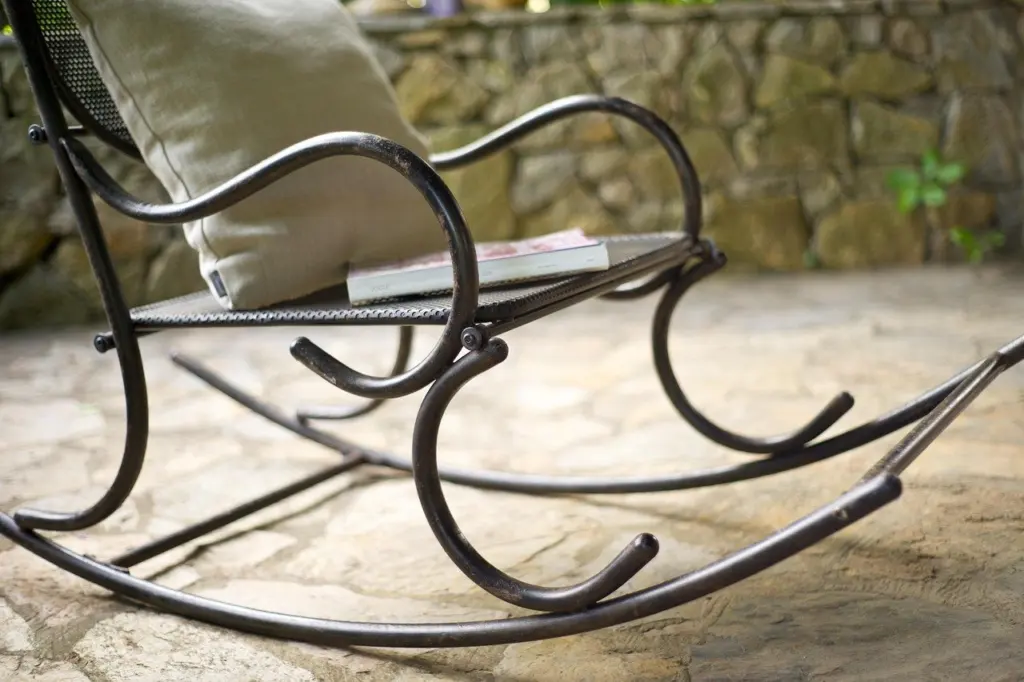
On a real patio set, that wear follows a pattern:
- Contact points. Paint is expected to rub off where metal rubs against metal, such as joints, hinges and stacking surfaces. Check these first when you inspect a piece.
- Corners and scrollwork. Water sitting in corners can start rust even on small paint imperfections, according to a step-by-step cleaning guide. Soap left behind attracts dirt and can trap moisture, especially in textured designs, so the washing method matters as well as the products.
- Wet spots. Areas where water can puddle will not be as durable as surfaces that drain well. Never let furniture sit in a puddle, and lift it on pads if the spot cannot be avoided.
Cleaning is therefore mostly about removing grime without scratching the paint, and then drying every crevice. Repair is about sealing any exposed metal quickly. The table below matches the method to how dirty or damaged the piece is.
Cleaning method by soiling level
Start with the gentlest method that matches the problem, and move up only when it fails.
| Soiling level | Method | Planning use |
|---|---|---|
| Dust, pollen, loose debris | Soft-bristle brush or dry microfiber cloth, before any water is added | Do this first on every piece. It stops grit from being rubbed into the paint when you start washing. |
| Everyday grime | Warm soapy water using a small amount of mild soap, then dry thoroughly | Use it as the routine clean. Limit the soap and dry well, because leftover soap and trapped water cause problems in scrolls. |
| Scratches or small rust spots | Light sanding of the spot with fine steel wool or 180–220 grit sandpaper, then rust-inhibitive primer and paint | Treat the spot straight away. It is the cheapest repair and stops a chip from becoming a rust patch. |
Figures and methods in the table come from Iron Accents’ care guidance and the step-by-step cleaning guide.
Everyday cleaning, step by step
Routine washing needs only warm water, mild soap, a soft brush and a lot of drying. Follow these stages in order.
- Dry-brush first. Sweep dust and debris from the frame with a soft-bristle brush or a dry microfiber cloth.
- Wash gently. Use warm water with a small amount of mild soap and a soft brush. Mild soap and a soft brush avoid damaging the finish, whereas bleach or ammonia can damage metal finishes and cause discoloration.
- Remove the soap. Wipe or rinse until no film is left, since residue holds dirt and moisture.
- Dry thoroughly. Iron Accents advises cleaning regularly with warm soapy water and then drying thoroughly. Work a cloth into corners and under joints, because that is where water lingers.
- Inspect as you dry. Note chips, scratches and rust. Anything bare gets touched up before the furniture goes back outside.
The guide from miclubmusical says a pressure washer is not needed for typical cleaning. That keeps the process simple: a brush, a bucket and a towel are enough. Heavier work begins only when you find rust.
Treating rust and chipped paint
Rust treatment means getting back to sound metal, stabilising it, and resealing it with primer and paint. How far you go depends on whether the rust is a spot or a patch.
Small spots and scratches
For a small spot, Iron Accents recommends touching it up immediately by lightly sanding with fine steel wool, then applying rust-inhibitive primer and paint. The miclubmusical guide gives fine sandpaper as the alternative to steel wool for light rust. Sand only as far as needed to remove the rust and smooth the edges of the chip.
Larger patches and flaking paint
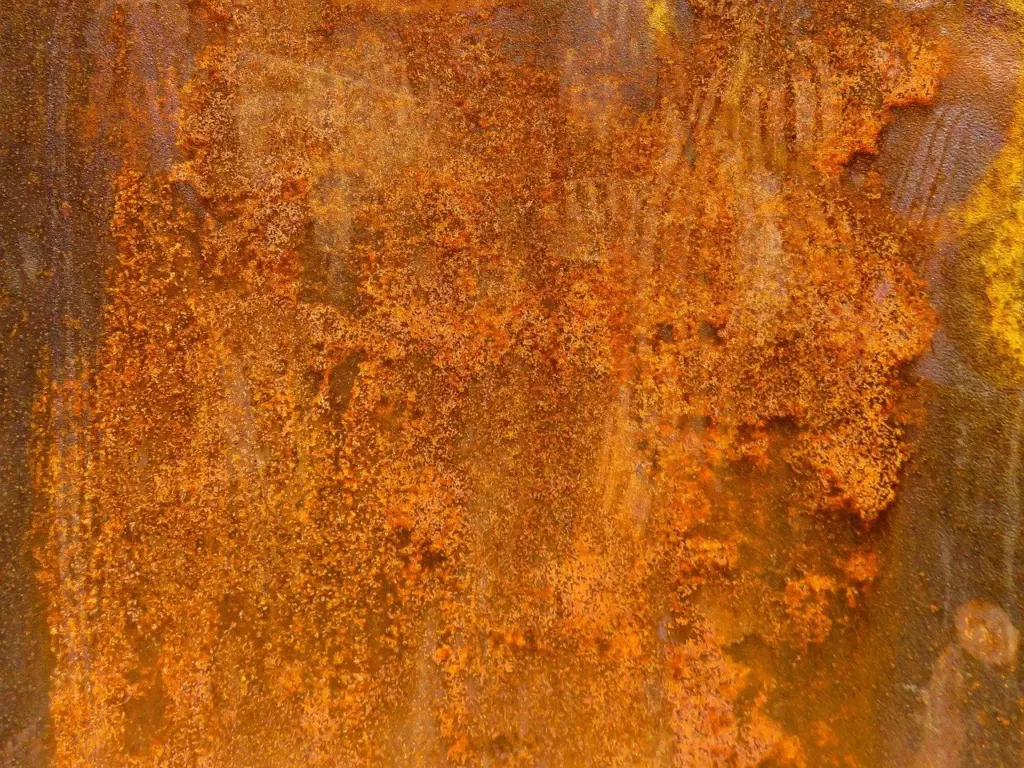
Where rust or flaky paint covers more area, start with a wire brush or sandpaper to gently scrape off loose rust and flaky paint. A rust converter is a product that chemically transforms rust into a stable surface. It usually needs leaving for about 24 hours, but check the bottle instructions. Then apply a rust-inhibiting primer to seal the treated area before exterior paint.
Do not skip the primer. Paint applied straight over converted or sanded metal has no rust-inhibiting layer beneath it.
For a wider look at rust removal across different metals, see How To Remove Rust From Metal: 5 Fast, Safe Methods That Work In 2026.
Primer, paint and topcoat choices
A repair works best as a stack: primer on bare metal, paint over the primer, and a topcoat for extra protection.
- Rust-inhibitive primer. This goes on bare or sanded metal before paint. Both Iron Accents and the Sihan guide put it between rust treatment and paint.
- Paint. Apply thin coats rather than a single thick coat, which reduces drips in ornate designs. Let each coat dry before adding the next, and expect scrolls to take longer than flat rails.
- Wax or clear sealer. Iron Accents says a topcoat of wax or clear sealer adds further protection, and Sihan suggests a layer of protective wax or clear metal sealant once the piece is dry. Wax is easier to refresh, while a sealer suits a surface you do not want to rub over often.
- Car wax. Periodic application of car wax prolongs the life of the finish, which makes it a low-effort routine step rather than a repair.
Whichever you choose, apply it over a clean, fully dry surface. Moisture trapped under a topcoat undoes the work.
Protecting and storing through the seasons
Protection comes down to keeping water away from the finish and fixing damage before the wet season. Iron Accents advises keeping furniture covered or bringing it indoors during winter and rainy months. Dry it fully before covering, since water left in corners can start rust.
Use this checklist before the wet or winter months:
- Clean and dry. Wash off dirt with mild soap and dry every corner.
- Repair the finish. Sand, prime and paint chips and rust spots, then add wax or clear sealer.
- Grease moving parts. Moving parts should be kept well greased.
- Check where it stands. Move the furniture off any spot where water puddles, or lift it on pads.
- Cover or bring indoors. Choose a protected area for the season.
The same routine applies to other iron pieces around the home. The Cast Iron Clawfoot Bathtubs: Timeless Luxury, Buying & Care Guide (2026) covers care for a very different iron piece.
Frequently asked questions
Can I use bleach or ammonia on wrought iron?
No. Bleach or ammonia can damage metal finishes and cause discoloration, so stay with mild soap, a soft brush and clean water.
Do I need a pressure washer?
Not for typical cleaning. High pressure can force water into seams and chip paint. Some guides do recommend power washing metal furniture, but on aged or chipped paint a brush and soapy water carry less risk.
Can I restore a tired finish without repainting?
Sonoma Backyard says metal can be restored fairly quickly by treating it with a coat of acetone followed by a silicone treatment. Chipped or rusted areas still need the sanding, primer and paint repair described above.
Is it safe to leave iron furniture near the sea?
It is not recommended, because salt water is the most damaging to any finish. If you do use iron near the ocean, store it in a protected area or cover it when not in use, and repair any compromised finish promptly.