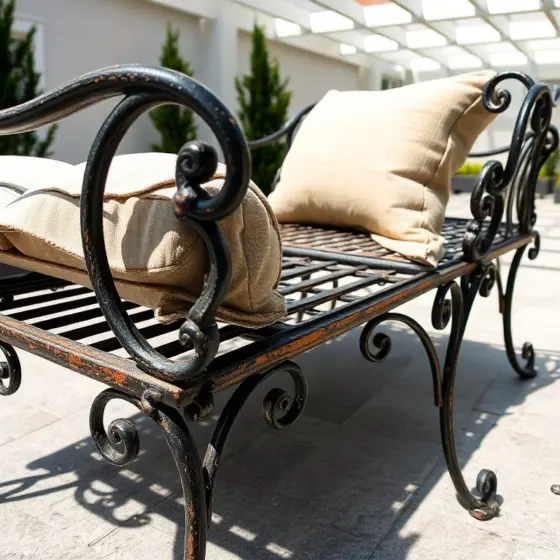

A wood and metal coffee table blends wood warmth with metal strength. The piece anchors seating and holds daily items such as books, drinks, trays, and remotes, so durability and stable construction matter. Buyers get a combination of aesthetic versatility, structural support, and relatively low maintenance compared with all-wood pieces. This guide explains why people choose a wood and metal coffee table, the popular styles and finishes that suit common decor themes, how to size and evaluate materials and construction, and practical care and small repairs that keep yours looking great for years.
Key Takeaways
- A wood and metal coffee table combines natural wood warmth with strong metal framing for durability and stylish contrast.
- Choosing the right size involves matching table height to sofa seat height and allowing enough walking space around it for comfort.
- This coffee table style fits various decor themes and offers a cost-effective alternative to all-wood or all-metal options.
- Regular care with mild soap and immediate drying prevents damage, while simple repairs like sanding and tightening bolts extend the table’s lifespan.
- The durable construction supports heavy items without sagging, making it perfect for living rooms, dens, or home offices.
Why Choose A Wood And Metal Coffee Table
A wood and metal coffee table offers clear benefits beyond looks. The wood top brings warmth, texture, and the option of visible grain or painted surfaces; the metal frame provides rigidity, thinner profiles, and resistance to impact that can prevent leg or brace failure. That combination makes these tables good for households that use the coffee table daily—kids’ crafts, coffee and snacks, or supporting electronics—because a properly built wood and metal coffee table resists sagging and often handles heavier loads than cheap particleboard alternatives. It also hits a range of budgets: manufacturers can mix modest wood veneers with strong steel frames to deliver a long-lasting piece at a lower price than one made entirely from hardwood. Finally, the mixed-material look pairs well with many interior styles—industrial, modern farmhouse, mid-century modern, and transitional—so a single wood and metal coffee table can work across redecorations and room updates.
Popular Styles And Finishes To Match Your Decor
A wood and metal coffee table comes in several common styles and finish combinations that make it easy to match your room. Popular overall looks include:
- Industrial: Reclaimed or distressed wood tops paired with matte black or dark bronze steel frames. The contrast emphasizes a rugged, utilitarian feel.
- Modern/Minimal: Smooth, light- or dark-stained solid wood surfaces with thin powder-coated steel legs in black, white, or metallics for a clean silhouette.
- Rustic/Farmhouse: Thick plank tops in warm honey or weathered gray with simple metal aprons or X-frame legs for a cozy, handcrafted look.
- Mid-century inspired: Tapered wood edges or veneered tops combined with slender metal bases in brass or muted finishes to nod to vintage lines.
Common finishes and surface options to consider:
- Solid hardwoods (oak, walnut, maple): durable, can be sanded and refinished several times, show natural grain.
- Veneer over plywood: lighter and more affordable while still offering an authentic wood appearance; less tolerant of repeated refinishing.
- Stains and oils: bring out grain and color while allowing some repairability; oil finishes soak into the wood and are easy to refresh.
- Lacquered or polyurethane finishes: provide tougher surface protection against spills but can be harder to touch up invisibly.
- Metal finishes: powder coating (durable and uniform), brushed or plated metals (brass, nickel) for accent, or deliberately weathered/rustic metal for character.
When choosing a finish, consider how the table will be used and how often you’ll want to refinish it. A living room used daily benefits from a harder protective top; a design-forward room might prioritize a specific wood tone and accept more careful upkeep.
How To Choose The Right Size, Materials, And Construction
Choosing the right wood and metal coffee table is about proportions, material quality, and joinery. Start with measurements: ideally the table height should be within 1–2 inches of the sofa seat height so reaching drinks or books feels natural. For length, aim for roughly one-half to two-thirds of your sofa’s length so the table looks balanced and stays accessible. Allow at least 18 inches of clearance between the coffee table edges and surrounding furniture for comfortable traffic flow; in tight rooms, slipping to 15 inches may be acceptable but less ideal.
Material and construction checkpoints:
- Top material: Solid wood tops resist dents and can be refinished; veneers are lighter and more budget-friendly but limited in repair options.
- Frame and legs: Steel or iron frames welded at stress points are the strongest; bolted frames are easier to disassemble for moving. Check for thick enough tubing or plates so legs don’t wobble under load.
- Fasteners and hardware: Quality hex bolts, corner brackets, and threaded inserts are signs of good construction. Avoid tables held together solely with short screws into particleboard.
- Edge profile and top thickness: Thicker tops (3/4″ or more for solid wood) feel sturdy; beveled or rounded edges reduce knock injuries and wear.
- Support and bracing: Cross-braces or lower shelves add rigidity and useful storage; check that shelves are securely attached and not just decorative.
Other practical considerations: a heavier wood and metal coffee table will resist being knocked out of place and often indicates solid materials, but it will be harder to move. If you need portability, look for designs that disassemble easily or use lighter materials like plywood or thinner tube steel with reinforced joints. Also consider surface maintenance: if you expect frequent spills, favor sealed finishes or glass inserts; for a more natural look, oils that are touch-up friendly may be preferable.
Care, Maintenance, And Simple Repairs To Keep It Looking Great
Regular care keeps a wood and metal coffee table attractive and functional. For routine cleaning, dust with a soft cloth and wipe with a damp cloth and mild soap as needed; always dry immediately to avoid water marks. Use coasters for drinks, felt pads under heavy decorative items, and trivets for hot dishes. Avoid prolonged exposure to direct sunlight, which can fade some stains and finishes.
Simple repair and maintenance tasks most owners can handle:
- Small wood scratches: Lightly sand with fine (220–320 grit) sandpaper along the grain, apply matching stain or a colored wax stick, and finish with a thin coat of wipe-on oil or varnish if the original surface was sealed.
- Dents: For solid wood, a steam method (briefly applying a damp cloth and a hot iron) can sometimes raise compressed fibers before refinishing; test first on an inconspicuous spot.
- Loose hardware: Periodically check and tighten bolts and brackets. Replace stripped screws with slightly longer ones that bite into solid wood or install threaded inserts for repeated tightening.
- Rust on metal: Sand to bare metal with fine abrasive, apply a rust inhibitor, and touch up with matching paint or powder-coat repair products. For decorative patinas, stabilize the rust instead of fully removing it.
- Worn finishes: Polyurethane and lacquered tops are best when recoated professionally, but oil finishes can be refreshed at home by wiping on boiled linseed or tung oil, then buffing once dry.
Keep a small toolkit (allen wrench, adjustable wrench, wood glue, fine sandpaper, touch-up markers or stain) handy for common fixes. By following these care steps and addressing minor damage quickly, you’ll extend the life of your wood and metal coffee table and keep it serving both practical and decorative roles in your space.