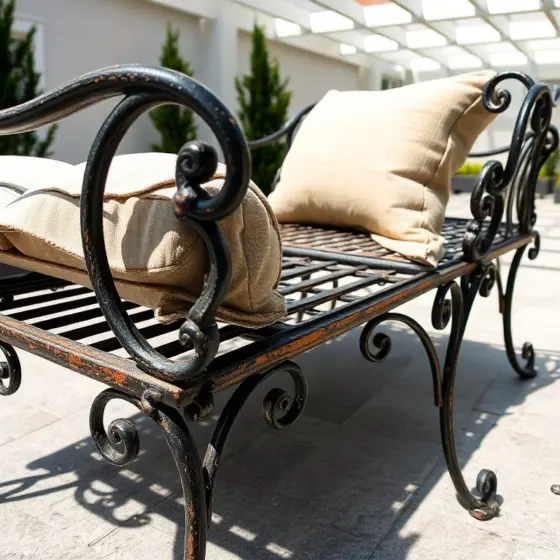

This guide helps owners estimate antique cast iron bed frame value fast. It lists the key signs that raise or lower value, explains why those signs matter, and gives practical steps to research and authenticate a frame. It expands sample pricing guidance so readers can set realistic expectations when selling, buying, or insuring a piece. The guide keeps language plain and action-focused so readers can check a frame’s value quickly and decide whether to invest in restoration, seek an appraisal, or list the piece for sale.
Key Takeaways
- Identifying maker marks and patent dates is essential to accurately estimate antique cast iron bed frame value.
- Original finish and elaborate decorative castings significantly increase the value of an antique cast iron bed frame.
- Condition plays a critical role—missing parts or repairs lower value, while well-preserved frames fetch higher prices.
- Research using photos, reference books, and expert appraisals boosts buyer confidence and can raise the frame’s asking price.
- Typical price ranges vary widely, from $100 for simple twins to over $6,000 for rare, documented pieces in excellent condition.
Quick Value Checklist: What To Look For In Seconds
Use this checklist to spot value fast. Spend a minute or two with each point and record what you see—this quick scan separates likely low-value pieces from candidates worth deeper research.
- Look for maker marks on the headboard, footboard, rails, and inside brackets. A clear name, stamped number, or patent date is one of the strongest immediate indicators of value because it links the frame to known makers and dates.
- Note the overall condition at a glance: heavy pitting, large holes, broken castings, or bent rails substantially reduce value; surface rust, intact castings, and straight rails are a good sign.
- Check for original paint or finish versus later repainting. Original finish—especially if it’s a known factory color or has stenciling—usually raises antique cast iron bed frame value; indiscriminate repainting often obscures maker marks and reduces desirability.
- Measure size and note mounting details. Twin and small single frames are typically less valuable than full, double, or queen sizes because demand and replacement-part availability differ.
- Count and inspect decorative castings and fittings. Elaborate motifs (e.g., ornate heads, finials, and embossed panels) and intact original fittings increase appeal to collectors and interior decorators.
- Check joinery and hardware. Original bolts, hooks, and slat supports that fit correctly are preferable to modern replacements; incompatible fixes lower value.
- Take clear photos of marks, unique features, and any damage. Good photos are essential if you ask for help online or submit the piece for appraisal—poor images slow down or mislead the valuation process.
With these notes in hand you can decide whether to do further research, seek professional authentication, or price the frame for a quick local sale.
Factors That Determine Value: The Big Picture
Several interacting factors shape antique cast iron bed frame value. Understanding how they combine helps you predict market response and set realistic expectations.
Age and maker identify where the piece sits in production history—frames from well-documented 19th- and early-20th-century manufacturers typically command higher prices because collectors and restorers know how to identify and value them. Provenance and documentation (receipts, estate records, or provenance notes) add buyer confidence and can justify a premium when present. Condition and repair history influence the immediate cost to a buyer: restoration, rust removal, and part replacement are real expenses that buyers deduct from their offers. Design, size, and the complexity of castings determine aesthetic appeal and shipping difficulty—more ornate, larger pieces attract interior designers and collectors but cost more to ship and handle. Finally, market trends and local demand affect what buyers will actually pay: a strong local market for period furnishings or a nearby restoration shop can lift prices, while saturated local supply or high transport costs depress them.
Think of valuation as a scoring process: maker/mark, originality of finish, condition, design/rarity, and provenance each add or subtract from the expected price. Two frames may look similar, but a stamped maker’s name and original finish can make one worth several times the other.
Age, Maker, And Provenance: Identifying Important Marks
Owners should search carefully for maker marks, patent dates, and model or casting numbers. Common locations are the back of the headboard, the footboard posts, inside rail brackets, and the underside of slat supports. Use a flashlight and thin tool (gloved finger or soft brush) to clear debris from recesses so stamps are visible.
A stamped name, cast number, or patent year is useful because it can be matched to manufacturer records, trade catalogs, and reference books to give a production date range and likely model name. When marks are absent, study decorative motifs, casting techniques (sharp vs. sand-cast edges), and hardware types—these clues help narrow down era and region. Provenance documents such as family records or purchase receipts materially increase buyer confidence; even a simple handwritten note stating where and when a frame was acquired can improve resale prospects. If marks are faint, photograph them with oblique lighting and upload images when requesting identification from forums or dealers.
How To Research, Authenticate, And Date Your Frame
Start with clear, well-lit photos of marks, decorative details, hardware, and damage. Include full-length shots and close-ups of stamps or serial numbers. Record measurements and any inscriptions. This documentation is the foundation for online research and in-person assessments.
Next, compare your photos and measurements to reputable reference sources: antique furniture guides, specialist books on iron beds, and museum collection entries. Use auction-house archives and past catalog descriptions for similar frames to see how comparable examples were described and sold. Join specialty forums or social-media groups focused on antique beds or ironwork—experienced collectors often help with identification and can point to makers and timeframes. For complex or high-value cases, seek a written appraisal from a certified appraiser who specializes in metal furniture or architectural antiques; a formal appraisal is helpful for insurance, sale listings, and estate settlements. When evaluating online information, cross-check multiple sources and be cautious about definitive dating from a single image—casting technology and styles overlapped between makers and periods.
Authentication steps to consider: verify marks against published maker lists, confirm hardware type and thread patterns consistent with an era, and evaluate evidence of old paint layers (a conservator can examine paint stratigraphy). Document every step so potential buyers see a clear research trail; transparency about repairs, replacements, or restorations increases trust and often preserves more of the frame’s value than vague or misleading listings.
Typical Pricing Ranges And Real-World Market Examples
Prices vary by maker, condition, and region; the following guidance is intended to help set expectations rather than serve as a strict price sheet.
Low-end: Simple twin or single frames with little ornamentation, missing original paint, or significant repairs commonly fall at the lower end of the market. These pieces are often bought for parts or local projects and typically sell quickly at modest prices.
Mid-range: Full, double, and queen-size frames in good condition, with intact castings and acceptable finish (even if cleaned or sympathetically repainted), generally achieve mid-range values. Buyers in this tier include homeowners restoring period rooms, decorators, and collectors seeking stable-condition examples without extensive provenance research.
High-end: Frames from documented makers, with elaborate castings, original factory finish, intact hardware, and supporting provenance can command substantially higher prices. Auction and dealer markets reward rarity and documentation—well-preserved, well-documented examples often find buyers willing to pay a premium for authenticity and display quality.
When preparing a listing or pricing for sale, factor in restoration and freight: professional sandblasting and repainting, replacement of period-correct fittings, and crating for shipment are real costs buyers consider. Local pickup listings typically net less than sold-at-auction or through specialty dealers because convenience and immediate cash sales trade off against reaching dedicated collectors. Conversely, sellers who invest in careful restoration and provide clear research documentation frequently see better returns.
Practical steps for sellers: compile a factsheet listing maker marks, measurements, condition issues, and any provenance; include multiple high-resolution photos and a concise history of any restoration; set a realistic minimum that covers your restoration and shipping costs if you must sell quickly; consider consignment with a reputable dealer or a specialist auction for high-end pieces. Practical steps for buyers: inspect joins and threads, ask for condition reports, and budget for cleaning and minor repairs if importing a frame that appears solid but not fully original.